
Interest in wellness and body renewal is on the rise as people look ahead to 2026. Many are searching for practical ways to refresh their health routines and boost overall vitality.
This article explores the most effective and up-to-date cleansing diet ideas, offering guidance grounded in current research. Whether you prefer plant-based, fasting, or specialized protocols, you will find a cleansing diet approach suited to your needs.
Discover seven unique strategies designed to fit different lifestyles and goals. Each method is carefully selected to help you feel your best, making it easier to start the year feeling renewed and energized.
Understanding Cleansing Diets: What You Need to Know
Modern interest in the cleansing diet has soared, but understanding the real science behind these approaches is essential. While many seek quick results, effective body cleansing is rooted in biology, not fads or extreme regimens.
The Science Behind Cleansing Diets
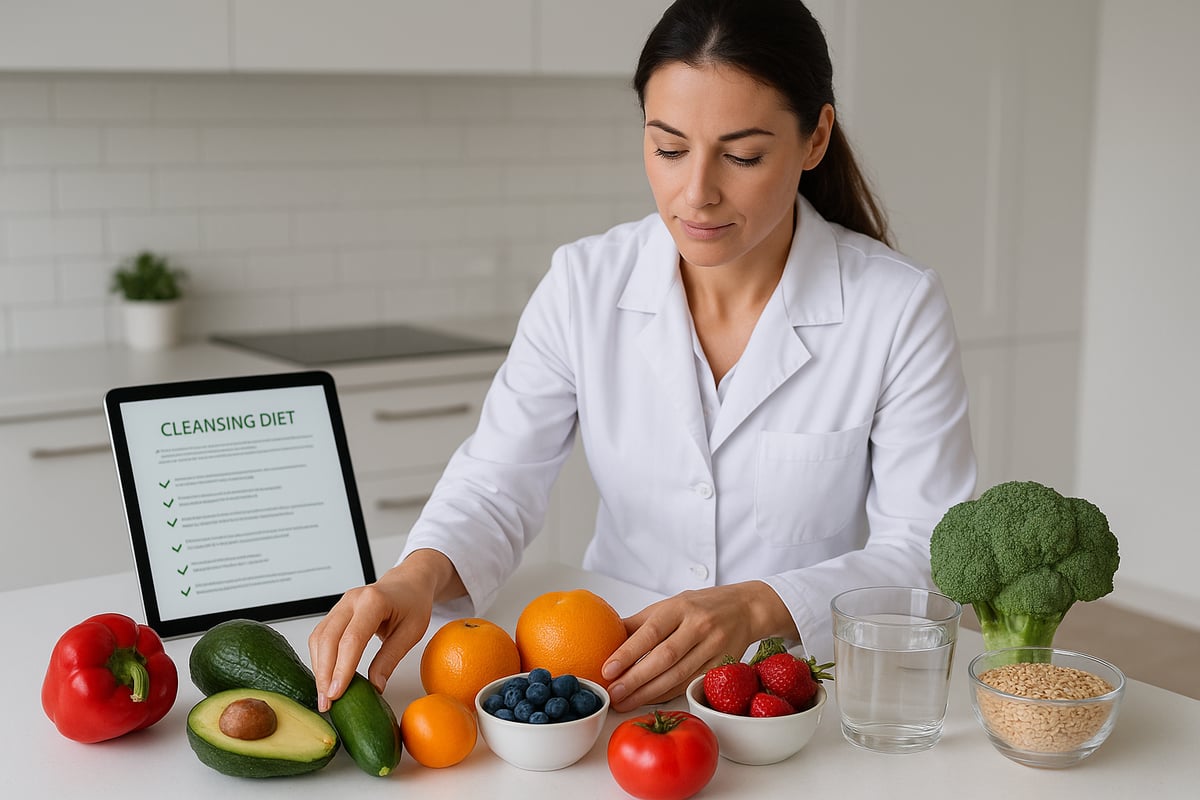
A cleansing diet is designed to support your body's natural detoxification processes rather than replace them. The human body is equipped with organs like the liver, kidneys, and gut, which work together to filter and expel waste efficiently.
The liver metabolizes toxins, the kidneys filter blood, and the gut eliminates waste. A cleansing diet often emphasizes hydration, fiber, and nutrient-rich foods to support these organs. Drinking plenty of water, eating high-fiber vegetables, and choosing antioxidant-rich foods are crucial steps.
It's important to recognize that the idea of a "quick-fix" cleansing diet is misleading. No diet can instantly rid your body of all toxins. Instead, a steady intake of whole, unprocessed foods allows your body to function optimally. Misconceptions abound, but scientific evidence shows that gradual and balanced changes are more effective than extreme measures.
Research highlights both the benefits and limitations of cleansing diets. Increased intake of plant-based foods may support metabolic health, while excessive restriction can lead to nutrient deficiencies. For a comprehensive overview of foundational principles, see detox and diet essentials.
Always consult a healthcare professional before making significant dietary changes, especially if you have underlying health conditions or are on medication.
Cleansing Diet Trends for 2026
Cleansing diet trends for 2026 are evolving to reflect a more holistic and evidence-based approach. Plant-based, whole-food cleanses are becoming increasingly popular, focusing on unprocessed ingredients and minimizing added sugars.
Technology now plays a bigger role, with apps and wearable trackers helping people monitor their cleansing diet progress and tailor plans to individual needs. Personalized nutrition is on the rise, with microbiome-friendly cleanses gaining traction for their gut health benefits.
Sustainability is also shaping the cleansing diet landscape. More people are choosing eco-conscious diets that reduce food waste and prioritize local, seasonal produce. Evidence-based protocols, rather than extreme or restrictive plans, are being recommended by wellness professionals.
Popular options gaining momentum include Mediterranean-inspired cleanses, intermittent fasting routines, and gut-focused resets. These approaches offer flexibility and can be adapted to various lifestyles, making the cleansing diet more accessible and sustainable for everyone.
7 Cleansing Diet Ideas to Refresh Your Body in 2026
Are you ready to explore the most effective cleansing diet strategies for 2026? This year, nutrition experts and wellness enthusiasts are embracing a diverse range of approaches to help the body reset and recharge. From plant-based cleanses to targeted protocols that support gut health and reduce inflammation, each cleansing diet on this list is designed to fit different lifestyles and wellness goals. Discover which one could help you feel your best in the months ahead.
1. Plant-Based Whole Food Cleanse
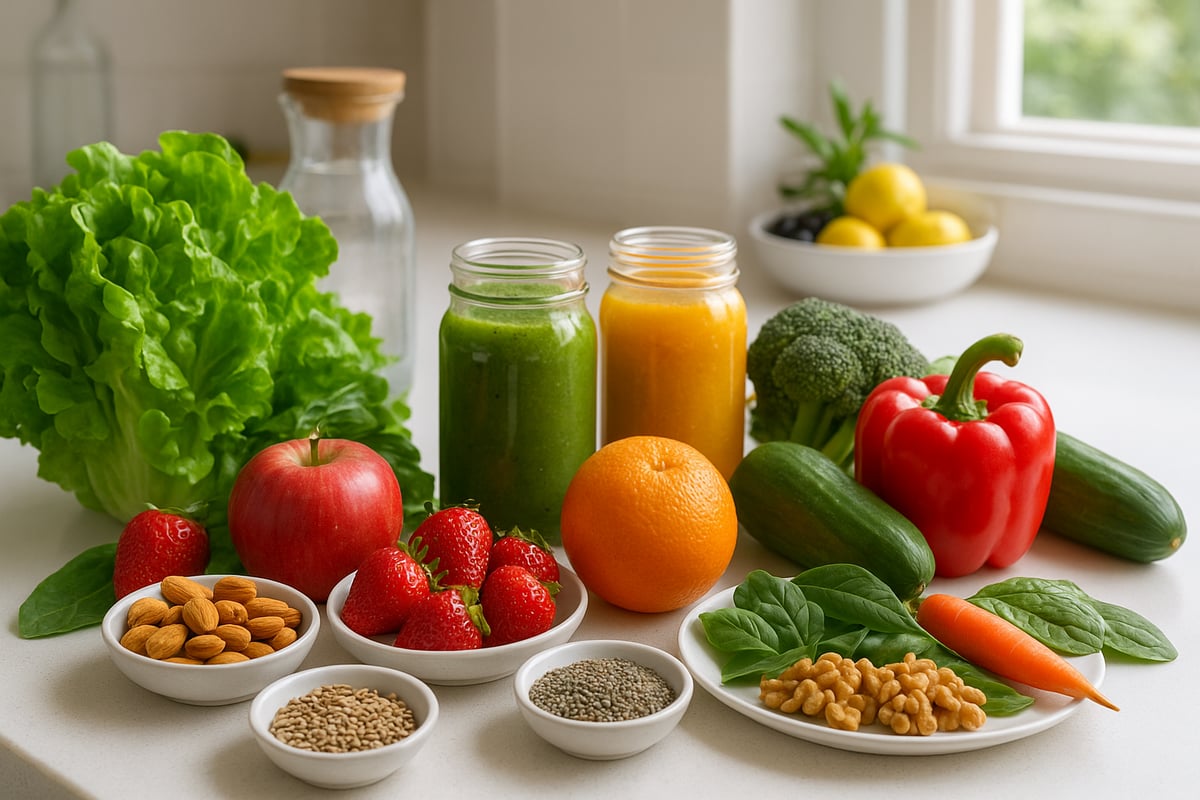
A plant-based whole food cleansing diet focuses on the power of unprocessed fruits, vegetables, legumes, nuts, and seeds. By removing processed foods and added sugars, this approach supports your body's natural detoxification systems and enhances overall vitality.
Benefits:
- Improved digestion and regularity
- Increased energy and mental clarity
- Reduced inflammation and oxidative stress
Sample 3-Day Outline:
| Day | Breakfast | Lunch | Dinner | Snacks |
|---|---|---|---|---|
| 1 | Green smoothie | Lentil salad | Roasted veggie bowl | Apple, walnuts |
| 2 | Overnight oats | Quinoa tabbouleh | Sweet potato chili | Carrot sticks, hummus |
| 3 | Chia pudding | Chickpea wrap | Stir-fried greens, tofu | Berries, almonds |
Transitioning to this cleansing diet can be made easier by gradually increasing plant foods while reducing processed items. Research indicates that plant-based diets support gut health and metabolic function. In fact, a recent study found that a low-fat vegan diet helped participants reduce dietary acidity and lose weight over 16 weeks, emphasizing the potential benefits of this approach (Acid-busting diet triggers 13-pound weight loss in just 16 weeks).
For best results, aim for variety, hydrate well, and listen to your body. This approach is ideal for anyone seeking a gentle, sustainable cleansing diet that aligns with long-term wellness.
2. Intermittent Fasting Cleanse
Intermittent fasting has gained attention as a cleansing diet that supports metabolic reset and cellular renewal. This method involves cycling between periods of eating and fasting, such as the 16:8 (16 hours fasting, 8 hours eating) or 5:2 (five days eating normally, two days calorie-restricted) protocols.
How It Works:
- Fasting periods give your digestive system a break
- Supports autophagy, the process by which cells remove waste
- May help regulate blood sugar and reduce inflammation
Getting Started:
- Choose a fasting window that fits your schedule
- Stay hydrated with water and herbal teas
- Begin with shorter fasts and increase duration gradually
Practical Tips:
- Break your fast with nutrient-dense meals
- Avoid overeating during eating windows
- Monitor how your body responds to the cleansing diet
Intermittent fasting isn't suitable for everyone. Those with certain health conditions, or pregnant and breastfeeding individuals, should consult a healthcare professional before starting. Integrating this cleansing diet with regular movement and mindful eating can maximize results.
3. Juice and Smoothie Cleanse
A juice and smoothie cleansing diet offers a nutrient-dense way to flood your body with vitamins, minerals, and antioxidants. Juice cleanses involve consuming only fresh-pressed juices, while smoothie cleanses include blended whole fruits and vegetables, retaining fiber.
Key Differences:
- Juices: Rapid absorption of nutrients, little fiber
- Smoothies: Retain fiber, offer satiety, slower nutrient release
Sample Recipes:
- Green Juice: Cucumber, kale, apple, lemon, ginger
- Berry Smoothie: Blueberries, spinach, banana, chia seeds, almond milk
Guidelines:
- Limit fruit content to control sugar intake
- Balance with leafy greens and vegetables
- Recommended duration: 1-3 days for beginners
Short-term juice cleanses may improve hydration and micronutrient intake, making this cleansing diet an appealing option for a quick refresh. Afterward, reintroduce solid foods gradually to support digestive comfort.
4. Zeolite-Enhanced Detox Diet
The zeolite-enhanced cleansing diet incorporates a natural mineral, zeolite, known for its ability to bind heavy metals and environmental toxins in the gut. Zeolite is typically consumed as a supplement alongside a diet rich in whole, unprocessed foods.
How Zeolite Works:
- Acts as a molecular sieve, trapping toxins
- Passes through the digestive system without being absorbed
Dietary Pairings:
- Leafy greens, cruciferous vegetables, and high-fiber foods support elimination
- Hydration is crucial to facilitate toxin removal
Research & Safety:
- Early studies suggest zeolite may aid detoxification, but more research is needed
- Choose reputable supplements and consult a healthcare provider before starting
This cleansing diet may be best for individuals concerned about environmental toxin exposure. Always use zeolite responsibly and as part of a balanced dietary approach.
5. Mediterranean-Inspired Cleanse
A Mediterranean-inspired cleansing diet focuses on nutrient-rich foods like olive oil, fish, whole grains, vegetables, and moderate fruit. This approach is known for its anti-inflammatory and heart-supporting properties.
Core Principles:
- Prioritize fresh, seasonal produce
- Include healthy fats from olive oil, nuts, and seeds
- Enjoy lean proteins and whole grains
Sample Meal Plan:
- Breakfast: Greek yogurt with berries and walnuts
- Lunch: Quinoa salad with tomatoes, cucumber, olives
- Dinner: Grilled fish, steamed greens, brown rice
- Snacks: Fresh fruit, roasted chickpeas
Adapting this cleansing diet for a short-term reset involves reducing processed foods, limiting red meat, and focusing on hydration. Sourcing high-quality ingredients maximizes the benefits and flavor of each meal.
6. Gut Reset Cleanse (Probiotic and Prebiotic Focus)
A gut reset cleansing diet emphasizes foods that nourish beneficial gut bacteria, supporting both detoxification and immunity. This approach combines probiotics (live beneficial microbes) and prebiotics (fibers that feed them) for optimal gut health.
Probiotic Foods:
- Yogurt, kefir, sauerkraut, kimchi, miso
Prebiotic Foods:
- Garlic, onions, leeks, bananas, asparagus
Sample Day:
- Breakfast: Overnight oats with banana and kefir
- Lunch: Lentil salad with leeks and fermented veggies
- Dinner: Stir-fried tofu with garlic and asparagus
- Snack: Miso soup
Gradually introducing fermented foods can help minimize digestive discomfort. Signs that your body may benefit from a cleansing diet focused on gut health include bloating, irregularity, or frequent fatigue.
7. Anti-Inflammatory Cleanse
An anti-inflammatory cleansing diet centers on foods that help calm the body's inflammatory response, supporting overall well-being and detoxification processes.
Key Foods:
- Berries, leafy greens, turmeric, fatty fish (like salmon), walnuts, chia seeds
Foods to Avoid:
- Processed meats, refined carbohydrates, excessive alcohol, sugary snacks
Sample Recipes:
- Turmeric lentil soup
- Grilled salmon with spinach and quinoa
- Berry-almond smoothie
This cleansing diet may support liver and immune health, as diets rich in anti-inflammatory foods have been linked to improved detoxification. To make the cleanse enjoyable, experiment with herbs and spices and try new recipes that highlight these ingredients.
How to Choose the Right Cleansing Diet for You
Selecting the most suitable cleansing diet is essential for a positive, sustainable experience. With so many approaches available, making a thoughtful choice helps ensure your cleanse aligns with your personal needs and supports your overall well-being.
Before starting any cleansing diet, consider these key factors:
| Factor | Why It Matters | What to Ask Yourself |
|---|---|---|
| Health Status | Pre-existing conditions may impact safety | Do I have any medical concerns? |
| Goals | Clarifies your focus and desired outcomes | Am I seeking energy, gut reset, or weight support? |
| Dietary Preferences | Ensures the plan fits your tastes and values | Do I prefer plant-based, Mediterranean, or another style? |
| Lifestyle | Practicality and sustainability | Can I realistically follow this plan? |
Listening to your body is crucial throughout any cleansing diet. Notice how you feel, both physically and mentally, as you progress. Adjustments may be needed if you experience discomfort or fatigue.
Professional guidance can make a significant difference. Consulting a healthcare provider or registered dietitian helps tailor your cleansing diet to your unique needs, especially if you have health conditions or take medications. They can also help set realistic expectations and prevent extreme or unsafe practices.
Setting achievable goals is important. A cleansing diet is not a miracle fix, but a tool to support your body's natural processes. Avoid rigid or overly restrictive plans. Instead, focus on gradual changes and long-term benefits.
Different lifestyles call for different cleanses. For example, a busy professional may benefit from a Mediterranean-inspired plan, while someone seeking a gentle reset might prefer a plant-based whole food cleanse. For more in-depth guidance, explore these body detoxification diet tips.
Be aware of warning signs that mean you should stop or modify your cleansing diet:
- Persistent fatigue or dizziness
- Digestive distress
- Headaches that do not resolve
- Mood changes or irritability
Choosing the right cleansing diet is a personal process that should feel supportive, not punishing. By considering your goals, preferences, and health, you can find a cleanse that helps you feel refreshed and energized.

Preparing for a Successful Cleanse: Practical Tips
Embarking on a cleansing diet can be transformative, but proper preparation is key to a positive experience and lasting results. Here are practical tips to help you plan, stay motivated, and maintain your wellness gains.
Planning and Preparation
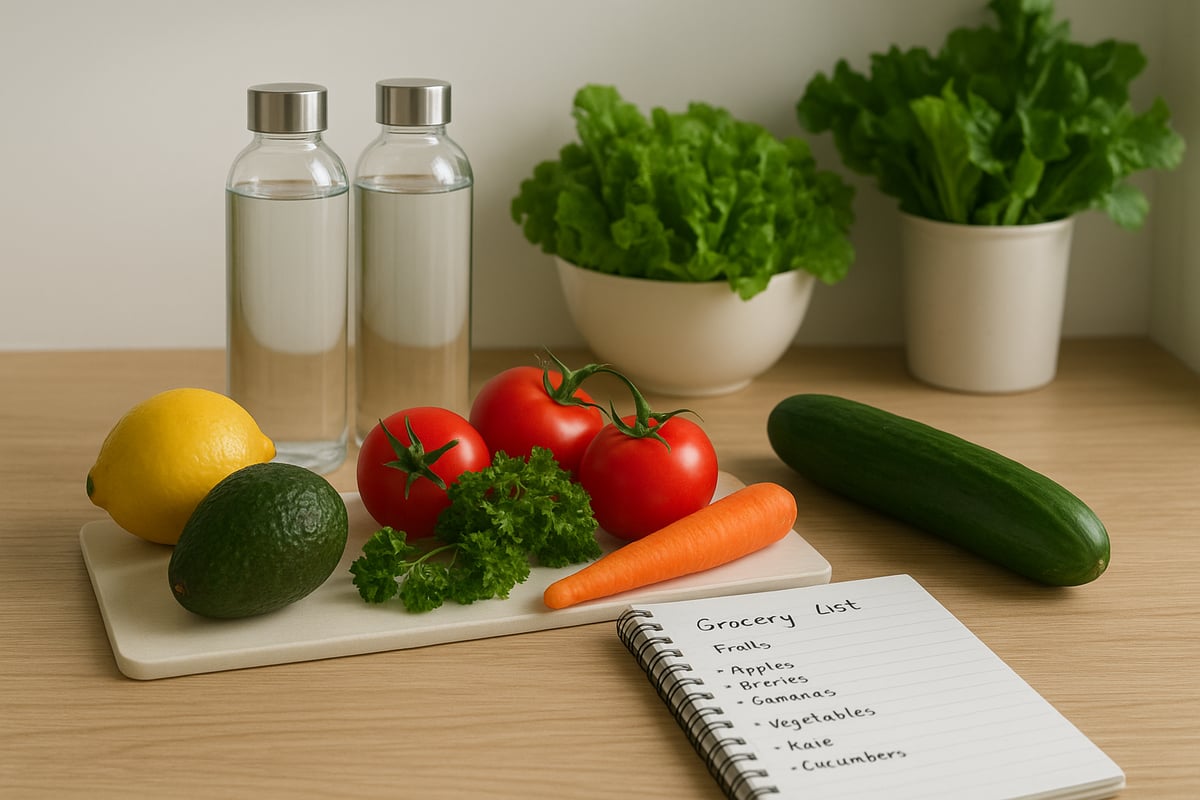
Start by choosing the cleansing diet that matches your health goals and lifestyle. Build a detailed shopping list focusing on fresh produce, whole grains, and lean proteins. Include foods that support natural detoxification, such as leafy greens, berries, and fermented items. For more ideas, see this food for body cleansing resource.
Transition gradually by reducing processed foods, caffeine, and added sugars several days before your cleanse. This approach minimizes discomfort and helps your body adjust smoothly. Ensure you have enough time to prepare meals and snacks in advance, so you are less likely to deviate from your plan.
Staying Motivated and Tracking Progress
Maintaining motivation throughout your cleansing diet is easier with clear goals. Track your progress with a journal or an app, noting energy levels, mood, and physical changes. Celebrate small milestones, like preparing a new recipe or completing a full day on your plan.
Hydration and sleep are critical for optimal results. Aim for at least eight glasses of water daily and prioritize quality sleep to support the body's natural cleansing processes. If you are curious about the broader advantages, explore the benefits of a detox cleanse for additional encouragement.
Social events can be challenging, so communicate your intentions with friends or family and bring your own healthy options when possible. This keeps you on track without feeling isolated.
Post-Cleanse Transition and Maintenance
After completing your cleansing diet, reintroduce foods slowly and mindfully. Start with simple, whole foods, and monitor how your body responds. This gradual approach helps you identify any sensitivities and maintain the positive changes you achieved.
Continue healthy habits by planning balanced meals and staying hydrated. Reflect on what worked well and adjust your routine for long-term wellness. Remember, a successful cleanse is not just about a temporary reset, but about building sustainable, nourishing practices for the future.
Frequently Asked Questions About Cleansing Diets
Curious about starting a cleansing diet? Here are answers to some of the most common questions people ask.
Are cleansing diets safe for everyone?
Not all cleansing diets are suitable for everyone. Individuals with certain health conditions, pregnant or breastfeeding women, and children should consult a healthcare professional before making changes. Listening to your body is essential.
How long should a cleansing diet last?
Most experts recommend short-term cleanses, typically lasting a few days to a week. Prolonged restriction may lead to nutrient deficiencies and fatigue.
Do cleansing diets really remove toxins?
Your body naturally eliminates toxins through the liver, kidneys, and digestive system. While a cleansing diet can support these processes by emphasizing whole foods, there is no evidence that restrictive cleanses alone "detoxify" you.
What side effects might occur?
Temporary side effects like headaches or fatigue can happen, especially if eliminating caffeine or processed foods. Staying hydrated and making gradual changes can help minimize discomfort.
Where can I learn more?
For research on how reducing ultraprocessed food intake can benefit your health, see the findings in this article.
Always consult a professional for personalized guidance.
As you explore these seven unique cleansing diet ideas for 2026, it’s clear that a thoughtful approach can truly make a difference in your overall vitality and well being. Whether you’re interested in plant based eating, gut health, or the science behind zeolite detoxification, having reliable, up to date information is essential for making the best choices for your body. If you want to dive deeper into the role of zeolite in heavy metal detox and discover expert backed strategies for a safer, more effective cleanse, you can Download Your Free Zeolite Detox Guide and take the next step toward a refreshed, healthier you.