
Imagine entering the new year with a home that truly supports your well-being. In 2026, creating a safe and nurturing environment is more important than ever.
This essential home detox guide offers practical, science-based steps to help you reduce toxins, boost your wellness, and enjoy a healthier lifestyle.
You will discover why home detox is vital, how to spot and remove common household toxins, and easy strategies for a cleaner space. We also highlight the latest trends and tools to help you maintain a toxin-free home.
Concerns about indoor toxins are rising. Detoxing your home brings real benefits for both physical and mental health. By taking control of your environment, you can feel empowered to make positive changes.
Ready to transform your space? Follow this step-by-step guide for a safer, healthier home in 2026.
Why Home Detox Matters in 2026
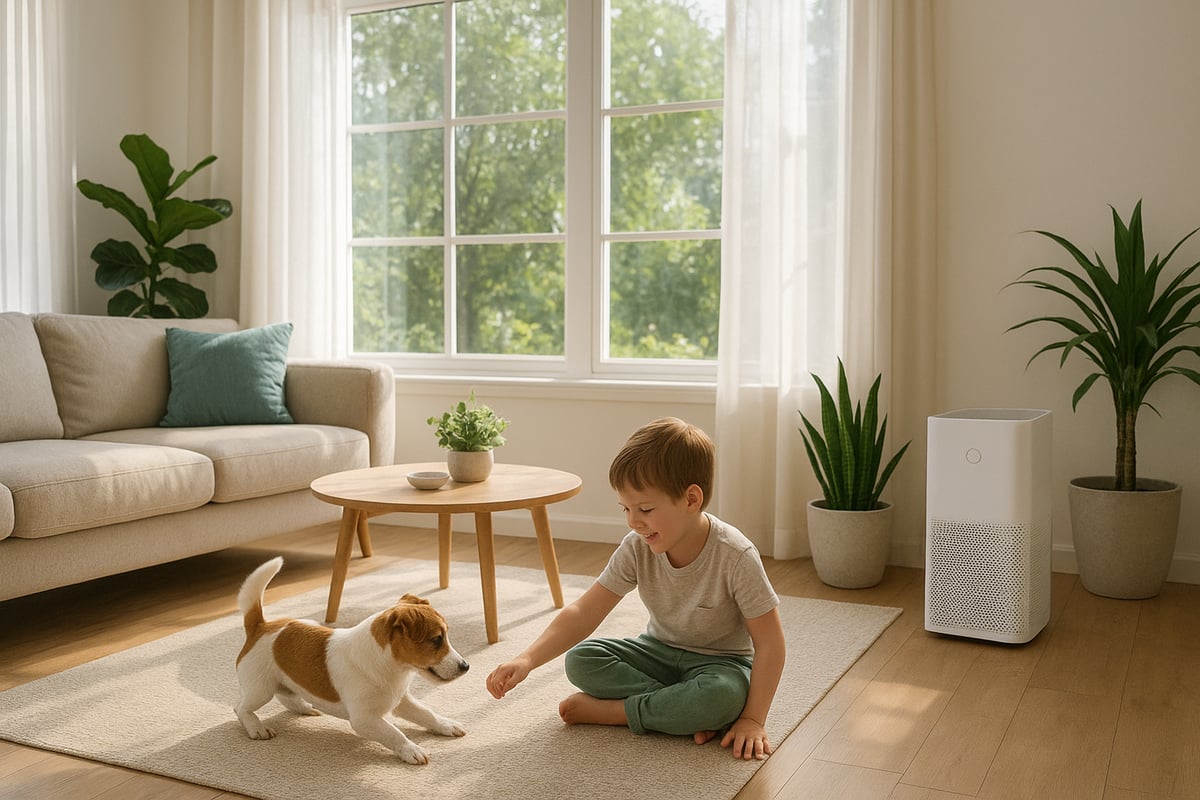
Modern living has brought remarkable convenience, but it has also introduced new challenges for indoor health. Many of today’s homes contain cleaning chemicals, volatile organic compounds (VOCs), and microplastics that quietly accumulate in our living spaces. According to the EPA, indoor air can be two to five times more polluted than outdoor air, a finding highlighted in Indoor Air Quality Exposure and Characterization Research. This is especially significant as people now spend more time at home than ever before. Children and pets, who are closer to floors and surfaces, are particularly sensitive to these exposures, making a home detox an essential priority.
The Modern Home and Toxin Exposure
Many common household items release substances that linger in the air or settle on surfaces. Old paint, carpets, and electronics can emit VOCs, while plastic containers and packaging introduce microplastics. After the pandemic, increased time indoors has made these exposures more relevant. Vulnerable groups, such as children and pets, are more likely to experience the effects of environmental toxins, which is why a home detox is vital for long-term health.
Health Risks of Common Household Toxins
Everyday products often contain phthalates, formaldehyde, lead, mercury, and mold spores. Short-term exposure to these toxins can result in allergies or respiratory irritation, while long-term contact may disrupt hormones or contribute to chronic conditions. The urgency is clear: just as alcohol-related deaths are a public health concern, so too is daily exposure to chemical hazards. Studies also suggest a link between environmental toxins and mental health, adding another reason to consider home detox as a preventive step.
Benefits of a Home Detox
Undertaking a home detox offers measurable benefits. Improved air and water quality can reduce allergy and asthma symptoms, making daily life more comfortable. Many people notice better sleep, enhanced mood, and sharper cognitive function after reducing household toxins. Over time, these changes may lower the risk of chronic diseases and help sustain higher energy and productivity. For more on the advantages, see the Benefits of Detoxing Your Home article.
Wellness Trends and the 2026 Perspective
The wellness industry is expanding, and so are solutions for maintaining a toxin-free home. Natural, non-toxic products are now more accessible than ever. Technology, such as smart air purifiers and sensors, is playing a bigger role in home detox strategies. Increased awareness, driven by scientific studies and documentaries, is inspiring people to make proactive choices. By 2026, society is embracing the idea that a healthier living space is central to overall well-being, making home detox a key trend for the future.
Step 1: Assessing Your Home’s Detox Needs
A successful home detox begins with a clear understanding of your environment. Before making changes, carefully evaluate your living spaces, daily routines, and health priorities. This step-by-step approach ensures your efforts are targeted, effective, and sustainable for 2026.
Identifying Toxin Sources
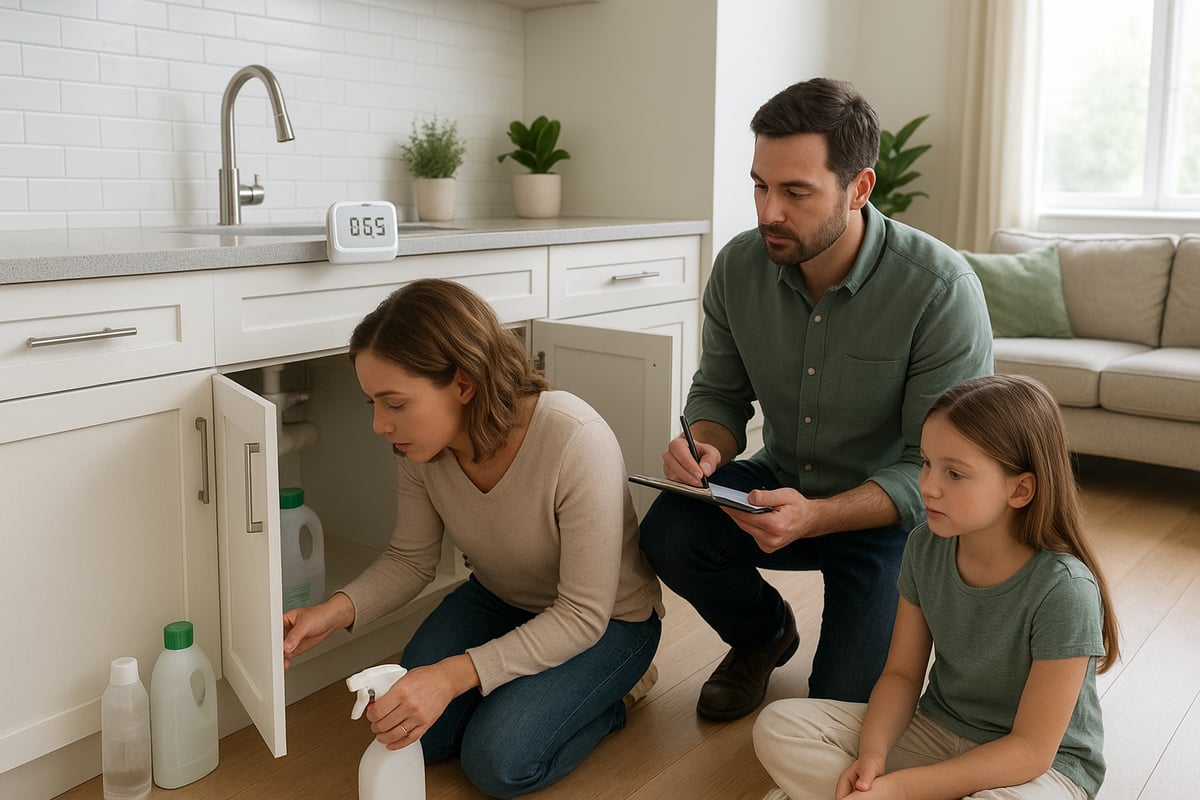
Start your home detox by pinpointing where toxins hide. Go room by room with a checklist:
- Kitchen: Old non-stick pans, plastic containers, harsh cleaners.
- Bathroom: Synthetic fragrances, vinyl shower curtains, aerosol sprays.
- Bedroom: Mattresses, carpets, dust, electronics.
- Garage: Paints, solvents, pesticides, e-waste.
Hidden dangers like lead in paint or microplastics in older carpets are often overlooked. Home testing kits can help reveal air or water quality concerns. For a comprehensive overview of common indoor hazards, consult Indoor Pollutants and Sources. Identifying these sources is the foundation of an effective home detox.
Evaluating Lifestyle and Habits
Daily habits play a major role in your home detox journey. Review your cleaning products—are they eco-friendly or chemical-heavy? Assess how you store food: plastics or glass? Consider how often you open windows to let fresh air circulate.
Think about your routines involving pets or children. Are their toys and spaces free from harmful substances? These lifestyle choices directly impact the success of your home detox. Make small adjustments now to build healthier habits over time.
Gathering Baseline Data
Tracking your starting point gives you measurable results. Keep a “toxin diary” for one week, noting cleaning products used, symptoms like headaches or sneezing, and air quality readings from a smartphone app. This data highlights patterns and problem areas.
Create a simple table to record your findings:
| Day | Room | Noted Toxin | Health Symptom |
|---|---|---|---|
| Mon | Kitchen | Bleach cleaner | None |
| Tue | Bedroom | Dust | Sneezing |
Establishing this baseline supports your home detox progress.
Setting Detox Goals for 2026
Set clear, realistic goals for your home detox. Prioritize based on health needs—reduce allergy triggers or chemical cleaners by a specific percentage. Involve your family in goal-setting to encourage shared responsibility.
For example, aim to swap out 80% of plastic food containers for glass by midyear or reduce chemical cleaning products by half. Use checklists or apps to track incremental wins. These goals will keep your home detox on track and ensure long-term wellness for everyone at home.
Step 2: Safe Removal of Common Household Toxins
Creating a healthier indoor environment starts with methodically removing sources of toxins. A successful home detox relies on proven strategies to clean your air, water, surfaces, and belongings. Let’s explore the safest, most effective steps for reducing everyday exposures in every corner of your home.
Detoxifying Indoor Air
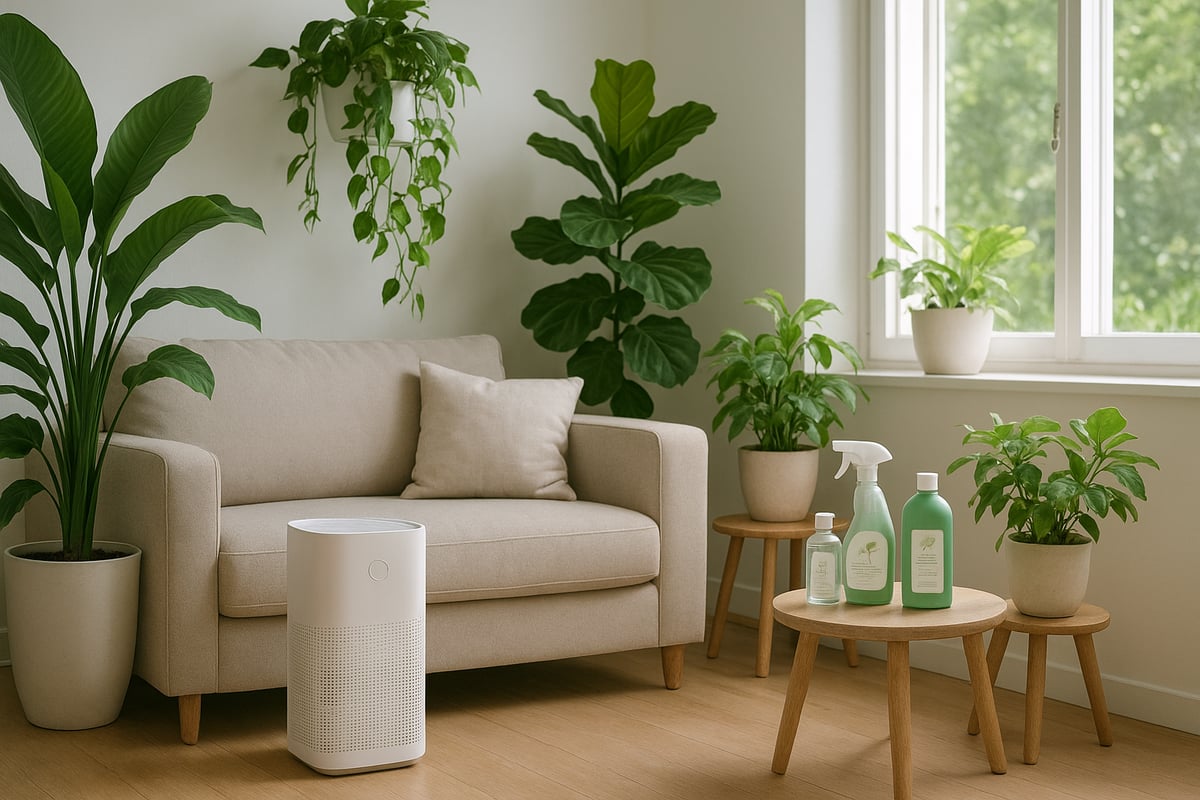
Indoor air quality is often overlooked, yet it is central to a home detox. Studies show indoor air can be two to five times more polluted than outdoor air, primarily due to volatile organic compounds (VOCs), synthetic fragrances, and dust. Start by opening windows daily to allow fresh air to circulate. Invest in a HEPA air purifier, which can remove up to 99 percent of airborne pollutants and allergens. Adding air-purifying plants, such as snake plant or peace lily, can further help reduce VOCs, according to NASA research.
Replace synthetic air fresheners and candles with natural alternatives like essential oil diffusers or beeswax candles. Regularly clean air filters in your HVAC system and vacuum with a HEPA-filtered device. For a comprehensive approach to minimizing indoor pollutants, consider the advice and guidance found in Household Toxins.
A consistent home detox routine for your indoor air can lead to fewer allergy symptoms, improved focus, and a more relaxing space.
Purifying Water Sources
Clean water is essential for a safe home detox. Begin by testing your tap water for contaminants such as lead, chlorine, and microplastics. Home testing kits are widely available and easy to use. If results show contamination, install a certified water filter, such as carbon or reverse osmosis systems, to remove both chemical and biological hazards.
Maintain filters according to manufacturer recommendations to ensure ongoing protection. The infamous Flint, Michigan water crisis highlighted the importance of vigilance, so regular checks are vital. Prioritizing water purity supports your overall home detox strategy and safeguards your family’s health.
Switching to Non-Toxic Cleaning Products
Many traditional cleaning products contain harsh chemicals, including ammonia, bleach, and phthalates. For a safer home detox, read ingredient labels carefully and avoid these substances. Switch to non-toxic alternatives, such as plant-based cleaners, or make your own using vinegar, baking soda, and lemon.
- Benefits include:
- Safer surfaces for children and pets
- Reduced skin and respiratory irritation
- Lower environmental impact
Transitioning away from chemical cleaners can take time, so phase out old products gradually. This step not only reduces your family’s chemical exposure but also makes your home detox more sustainable.
Eliminating Harmful Plastics and Materials
Plastics are a common source of toxins in the home. For a robust home detox, replace BPA and BPS plastics with glass or stainless steel containers. Avoid PVC in shower curtains and flooring, as it can release harmful chemicals over time.
Dispose of old electronics responsibly through certified e-waste recycling programs to prevent heavy metal leaching. Studies show phthalates in plastics can disrupt hormones, so minimizing their presence is important for long-term health. Every swap for a safer material strengthens your overall home detox efforts.
Addressing Mold and Moisture Issues
Mold and excess moisture contribute to poor indoor air quality and can undermine any home detox. Look for signs such as musty odors, visible spots on walls or ceilings, and condensation on windows. Use dehumidifiers and ensure proper ventilation in bathrooms, kitchens, and basements.
When removing mold, wear protective gear and opt for non-toxic cleaning agents. If the problem is extensive, professional remediation may be necessary. Prioritizing moisture control as part of your home detox helps prevent respiratory issues, especially in children.
Reducing Heavy Metal Exposure
Heavy metals like lead, mercury, and cadmium are hazardous and require special attention during a home detox. Test for these metals in paint, soil, and plumbing, especially in homes built before 1978. If contamination is found, consult certified professionals for safe removal.
Lead exposure in children is linked to cognitive delays, underscoring the importance of thorough remediation. Addressing heavy metals is a critical step in completing your home detox.
Managing Pesticides and Chemical Residues
Pesticides and chemical residues can linger on surfaces and in stored products. For a complete home detox, store all chemicals away from living spaces and use organic pest control methods when possible. Wash produce thoroughly to reduce pesticide intake.
By managing these residues, you further reduce the toxic load in your daily environment, making your home detox both comprehensive and effective.
Step 3: Natural Detox Strategies for Every Room
Transforming your living space through a room-by-room approach makes a home detox practical and effective. By targeting key areas, you can reduce exposure to common toxins and create a healthier environment for everyone at home.
Kitchen Detox
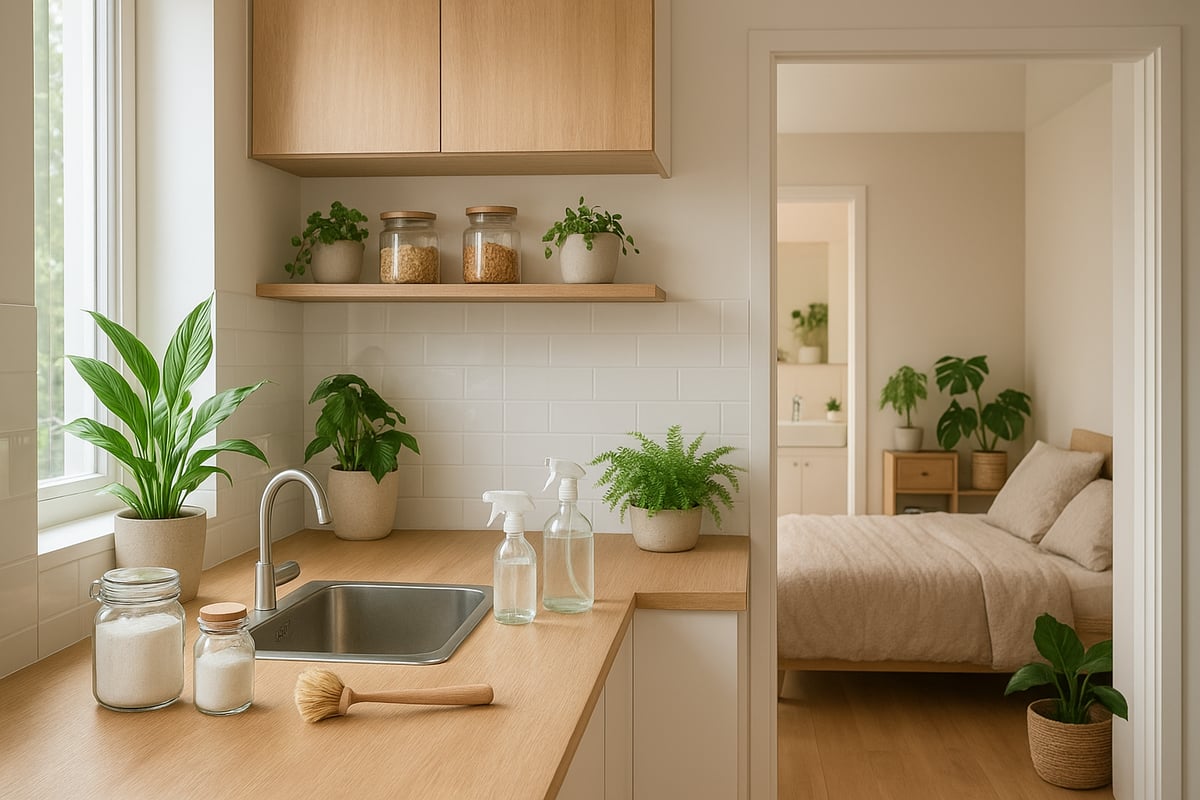
Start your home detox in the kitchen, where food, water, and storage choices shape daily health. Switch to organic, whole foods whenever possible, as studies show this can lower pesticide exposure by up to 90 percent. Store leftovers in glass or stainless steel containers instead of plastic to avoid leaching chemicals. Replace non-stick cookware with options free from PFAS.
- Choose organic produce and whole grains.
- Use glass or stainless steel containers for food storage.
- Avoid non-stick pans that may contain harmful coatings.
- Compost food scraps to reduce waste.
- Regularly clean appliances to prevent mold and bacteria.
For more ideas, explore Making a Healthier Home, which offers practical tips for a safer kitchen and beyond.
Bathroom Detox
The bathroom is often a hidden source of toxins in any home detox effort. Opt for natural personal care products free from parabens and sulfates. Swap vinyl shower curtains for fabric or glass alternatives to avoid off-gassing chemicals. Limit the use of aerosols and sprays, which can worsen indoor air quality. Install water-saving fixtures to conserve water and limit potential contaminant buildup.
- Choose natural, fragrance-free soaps and shampoos.
- Replace vinyl shower curtains with safer options.
- Avoid air fresheners and spray products.
- Keep humidity low to prevent mold growth.
- Clean surfaces with non-toxic cleaners.
Taking these steps helps your home detox extend to areas often overlooked.
Bedroom Detox
Your bedroom should be a sanctuary for rest and recovery, making it a top priority in any home detox. Select mattresses and bedding made from organic or natural materials to reduce exposure to flame retardants and VOCs. Limit electronics to minimize EMF exposure. Use hypoallergenic pillow and mattress covers, and dust regularly with a vacuum equipped with a HEPA filter.
- Choose organic cotton or bamboo bedding.
- Use pillow and mattress covers to protect against dust mites.
- Limit electronic devices near your bed.
- Dust and vacuum frequently.
- Allow fresh air in by opening windows when possible.
These changes contribute to improved sleep and overall health within your home detox routine.
Living Room Detox
A living room can harbor pollutants from furniture, paint, and fabrics. For a successful home detox, select low-VOC paints and furnishings. Add air-purifying plants like snake plant or peace lily to help filter the air. Limit the use of synthetic carpets and drapes, which can trap dust and chemicals. Ensure good ventilation to keep air fresh.
- Choose low-VOC paints and finishes.
- Add air-purifying plants throughout the space.
- Opt for natural fiber rugs and curtains.
- Regularly air out the room.
- Clean upholstery with non-toxic products.
These strategies help support a cleaner, more inviting space for your family.
Garage and Storage Detox
Garages and storage areas often contain concentrated sources of toxins. As part of your home detox, safely store or dispose of paints, solvents, and automotive fluids. Organize chemicals to prevent accidental spills. Use natural pest deterrents, and always keep hazardous materials locked away from children and pets.
- Store chemicals in sealed, labeled containers.
- Dispose of old or unused products through community hazardous waste programs.
- Use cedar blocks or essential oils as natural pest deterrents.
- Keep storage spaces dry and well-ventilated.
- Ensure all materials are out of reach of children.
By addressing these spaces, your home detox becomes truly comprehensive and sustainable.
Step 4: Building a Sustainable Detox Routine
Building a sustainable home detox routine is the key to lasting wellness. Rather than making drastic changes overnight, small, consistent actions lead to meaningful improvements in your living environment. This step focuses on practical ways to integrate home detox into your daily, weekly, and seasonal rhythms, ensuring your efforts remain effective and manageable for the long term.
Creating Daily and Weekly Detox Habits
Incorporating daily and weekly habits into your home detox plan makes healthy living second nature. Start by opening windows for at least 10 minutes each day to refresh indoor air. Use non toxic cleaners for wiping surfaces and always wash your hands after handling household chemicals or pets.
- Change air and water filters regularly
- Store food in glass or stainless steel containers
- Dust and vacuum with a HEPA filter weekly
Making these routines a part of your schedule helps maintain a low toxin environment without overwhelming your day. Over time, these simple steps contribute to a safer, more comfortable home for everyone.
Seasonal Deep Cleaning and Maintenance
A comprehensive home detox involves periodic deep cleaning and maintenance. Each spring and fall, focus on cleaning carpets, upholstery, and HVAC systems. Inspect your home for mold and leaks, especially after wet seasons, and address any issues promptly.
Rotate and wash bedding, curtains, and other textiles to reduce dust and allergens. Use a checklist to stay organized and ensure no area is overlooked. These seasonal efforts reinforce your daily habits and provide an opportunity to assess and improve your home detox strategy.
Involving the Whole Family
Home detox is most effective when everyone participates. Assign age appropriate detox tasks to children, such as sorting recyclables or helping to water plants. Educate family members about common toxin sources and safe alternatives to encourage mindful choices.
Try family challenges like a “plastic free week” or a “green cleaning day” to make detox efforts engaging. When the whole household is involved, maintaining a toxin free environment becomes a shared goal, fostering teamwork and collective responsibility.
Monitoring Progress and Adjusting
Tracking your home detox progress helps you stay on course and recognize improvements in health or comfort. Use checklists, journals, or smartphone apps to document changes and note any reduction in allergy or asthma symptoms.
Review your goals regularly and adjust them as new information or products become available. By monitoring progress, you can celebrate small wins and refine your approach, ensuring your home detox routine remains effective year round.
Staying Informed and Motivated
Staying updated on home detox trends and resources keeps your routine fresh and motivating. Subscribe to wellness newsletters, join online communities, and connect with others for support and inspiration. For more ideas on natural, practical routines, explore Natural Ways to Detox Your Body.
Keep learning about new research and safe products, and share your successes with friends or neighbors. Maintaining motivation ensures your home detox journey continues to support your health and wellbeing.
Step 5: Advanced Detox Solutions and Future Trends
As we look ahead to 2026, the landscape of home detox is rapidly evolving. Advanced solutions now combine cutting-edge technology, innovative materials, and personalized strategies to help you create a safer, healthier living space. Staying informed about these trends ensures your home detox efforts remain effective and future-proof.
Integrating Technology for Home Detox
Technology is transforming the way we approach home detox. Smart air quality monitors track pollutants in real time, alerting you to changes and helping you maintain optimal indoor air. Advanced HEPA purifiers and IoT-enabled devices can automatically adjust settings based on detected toxins.
Many households now use water testing kits linked to smartphone apps, making it easier to monitor for contaminants. Automated cleaning tools programmed with non-toxic solutions simplify regular maintenance. These innovations empower you to take control of your home detox journey with confidence and precision.
Innovations in Non-Toxic Materials and Products
The demand for safer living spaces is fueling a wave of non-toxic product innovation. Manufacturers are introducing certified toxin-free furniture, paints, and flooring that help reduce indoor chemical exposure. Biodegradable cleaning agents and eco-friendly packaging are becoming the new standard.
Advances in natural fiber textiles offer alternatives to conventional synthetics, supporting a healthier home detox process. As these products become more accessible, it’s easier than ever to align your purchases with your wellness goals and minimize harmful substances indoors.
Personalized Detox Plans and Professional Support
No two homes are the same, and a personalized approach to home detox is gaining traction. Environmental health specialists can assess your unique risks, especially if you have children, elderly family members, or specific health concerns. Telehealth consultations make expert guidance more accessible for ongoing support.
For complex issues like heavy metal exposure, professional remediation may be necessary. For detailed strategies, resources like Safe Heavy Metal Removal provide valuable insights. Relying on expert support ensures your home detox plan is both safe and effective.
The Role of Diet and Supplementation
A holistic home detox goes beyond physical spaces. Your diet plays a crucial role in supporting natural detoxification. Consuming antioxidant-rich foods, fiber, and plenty of water helps your body process and eliminate toxins more efficiently.
While supplements are widely marketed, it’s important to choose evidence-based options and consult a professional before adding them to your routine. A balanced diet, paired with a well-maintained home detox environment, can optimize your overall wellness.
The Future of Home Detox: What to Expect by 2026
Looking forward, home detox will benefit from increased chemical regulation and widespread adoption of green building standards. Artificial intelligence will make home detox planning smarter, offering tailored recommendations based on real-time data.
Communities are launching initiatives for toxin-free neighborhoods, promoting collective well-being. Staying engaged with these trends ensures your home detox efforts remain proactive, sustainable, and in step with the latest science and technology.
Resources and Support for Safe Home Detox
Embarking on a home detox journey is most effective with the right support and reliable resources. Whether you are just beginning or refining your approach, these trusted tools and networks can make your experience safer and more empowering.
Trusted Information Sources and Tools
Access to accurate, science-backed information is the foundation of a successful home detox. Government health agencies like the CDC and EPA offer comprehensive guides on reducing household toxins, while nonprofit organizations provide checklists and educational materials.
Books and documentaries on environmental wellness can help you stay updated on the latest research. Mobile apps designed for home detox track indoor air quality, monitor water purity, and suggest actionable steps for improvement.
If you are concerned about water safety, review Best Water Filters for Toxin Removal to compare top-rated filtration systems. Leveraging these resources builds confidence and clarity in your home detox plan.
Professional Assessment and Remediation Services
Some aspects of home detox require specialized expertise. When dealing with mold, asbestos, or lead, consulting certified remediation professionals is recommended for safety and compliance. These experts assess risks, conduct thorough testing, and provide written reports.
Insurance policies may cover certain detox-related improvements, so review your coverage or consult an agent. To find a qualified professional, seek recommendations from local health departments or national registries.
Engaging professionals ensures your home detox is thorough, especially if you have young children, elderly family members, or chronic health concerns. Their guidance supports long-term wellness and peace of mind.
Community and Online Support Networks
Connecting with others on a home detox journey can provide accountability, encouragement, and shared learning. Look for local wellness workshops, toxin awareness events, or green living groups in your area.
Online forums and social media communities offer a platform to ask questions, share tips, and celebrate progress. Many families find motivation in reading case studies of successful home detox transformations.
Participating in these networks can spark new ideas and help you troubleshoot challenges. Community support is a valuable resource as you work toward a healthier home environment.
Staying Safe: When to Seek Medical Advice
While home detox efforts are generally safe, it is important to recognize when professional medical advice is necessary. Persistent symptoms such as headaches, respiratory issues, or skin irritation may indicate toxin exposure and should not be ignored.
Immediate help is needed for severe cases, including visible mold infestations or chemical spills. Vulnerable populations like children, pregnant women, and the elderly may require ongoing monitoring.
Keep emergency contacts and local poison control information accessible. Staying vigilant and proactive ensures your home detox remains a safe, positive experience for everyone.
As you start making positive changes for a healthier home and a more vibrant 2026, it’s important to have trustworthy, science-backed resources to guide your journey. That’s why I encourage you to take the next step—if you’re interested in reducing heavy metal exposure and supporting your body’s natural detox processes, you’ll find practical, up-to-date insights in our complimentary zeolite detox report. It’s a valuable resource to help you make informed, confident choices for your family’s wellbeing. Ready to dive deeper? Download Your Free Zeolite Detox Guide and empower yourself with the knowledge you need for a safer, cleaner home.