
Concerns about mercury exposure are rising in 2026, with more people questioning the safety of their food, environment, and dental treatments. Stories about mercury in seafood, polluted air, and old dental fillings have sparked widespread discussions.
Many individuals are unsure about the real risks of mercury accumulation and are often misled by quick-fix detox myths. Understanding what works and what does not is crucial for protecting your health.
This guide aims to deliver the latest, evidence-based mercury detox strategies for long-term wellness. You will learn about sources of mercury, health risks, proper testing, safe detox steps, and best practices for 2026.
Understanding Mercury Exposure in 2026
Mercury exposure remains a significant concern in 2026 due to its persistence in our food, environment, and consumer products. Understanding how mercury enters the body, where it comes from, and who is at risk lays the foundation for effective mercury detox strategies. Let us break down the key aspects of mercury exposure today.

Types of Mercury and Their Sources
Mercury exists in several forms, each with unique sources and health implications. The main types include elemental mercury (found in some thermometers and fluorescent bulbs), inorganic mercury compounds (linked to industrial processes), and organic mercury, primarily methylmercury, which accumulates in seafood. In the United States, methylmercury in fish is the most common route of exposure. Other sources include dental amalgam fillings and emissions from industrial pollution. According to the WHO’s Mercury Health Risks Overview, mercury ranks among the top 10 chemicals of public health concern globally. Vulnerable groups, such as pregnant women and children, require special attention when planning mercury detox efforts.
How Mercury Enters and Accumulates in the Body
Mercury can enter the human body through inhalation of vapors, ingestion of contaminated food or water, and even skin contact with certain compounds. Once inside, mercury tends to accumulate in organs and tissues over time, especially if exposure is ongoing. For example, improper dental amalgam removal can cause a temporary spike in bodily mercury levels. Chronic, low-level exposure may be just as harmful as acute poisoning since mercury is stored in the body and can build up silently. This underscores the importance of mercury detox protocols that address both recent and historical exposures.
Symptoms and Health Risks of Mercury Toxicity
Early signs of mercury toxicity often include fatigue, headaches, digestive disturbances, and mood swings. As levels increase, more severe effects may appear, such as neurological symptoms, kidney or liver dysfunction, and possible links to autoimmune issues. Mercury toxicity can even mimic conditions like chronic fatigue syndrome, making diagnosis challenging. For context, New York State mandates reporting if blood mercury levels exceed 5 ng/mL or urine levels surpass 20 ng/mL. Symptoms may develop gradually or appear suddenly, depending on the type and duration of exposure, highlighting the value of timely mercury detox.
Populations at Higher Risk in 2026
Certain groups face a much higher risk from mercury exposure. Pregnant and nursing women, young children, frequent seafood consumers, and people working in dental or industrial settings should be especially vigilant. Infants can be exposed to mercury both in utero and through breast milk. Genetic factors and pre-existing health conditions, such as impaired detoxification systems, may further elevate risk. This makes personalized risk assessment a crucial part of any mercury detox plan, ensuring interventions are both effective and safe for those who need them most.
Testing for Mercury: When and How to Assess Your Levels
Growing concerns about mercury exposure make accurate testing a crucial step in any mercury detox plan. Understanding when and how to assess your mercury levels can help you make informed decisions and avoid unnecessary or unsafe interventions.
Medical Testing Methods
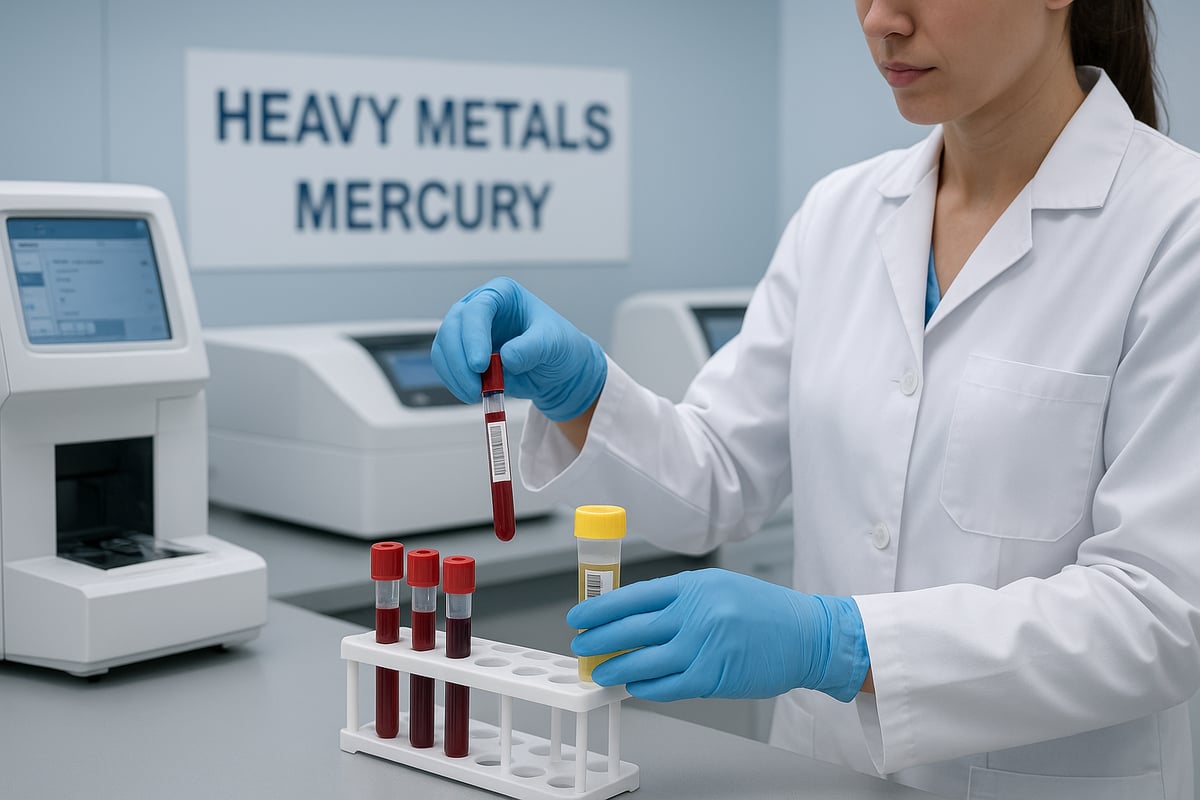
There are several medical testing methods available to assess mercury exposure, each with its own strengths. Blood tests are useful for detecting recent mercury exposure, as levels drop quickly after the initial contact. Urine tests, on the other hand, can reveal longer-term or chronic exposure, especially to inorganic mercury. Hair analysis is often used to estimate ongoing or past exposure to methylmercury, the form commonly found in seafood.
Doctors typically choose the most appropriate test based on your exposure history and symptoms. For those considering mercury detox, selecting the right test is key. In some states, blood or urine testing is required when certain exposure thresholds are met, ensuring proper monitoring and safety.
Interpreting Test Results and What They Mean
Interpreting your mercury test results is not always straightforward. Safe and concerning levels can vary depending on the type of mercury and the test used. For example, methylmercury levels in hair may indicate chronic exposure, while blood levels reflect more recent contact. Elevated results do not always mean toxicity, since individual susceptibility and context matter.
Pairing test results with a review of symptoms and exposure history is essential. For more insight into what blood mercury concentrations mean for different populations, refer to the EPA’s Blood Mercury Level Indicators. This resource helps clarify how results fit into a broader mercury detox strategy and when further action may be needed.
Home Testing Kits: Pros, Cons, and Best Practices
Home testing kits for mercury and other heavy metals are now widely available, offering a convenient first step for those curious about their exposure. These kits typically require a hair, urine, or saliva sample, which you send to a laboratory for analysis. While convenient, home tests carry risks, such as sample contamination or inaccurate readings.
False positives or negatives can lead to unnecessary worry or a false sense of security. If you're considering mercury detox, remember that home testing should not replace professional medical evaluation. Proper sample collection and expert interpretation are vital for reliable results.
When to Seek Professional Help
Certain symptoms or risk factors mean it's time to seek professional help. If you experience neurological symptoms, severe fatigue, or sudden changes in mood or cognition, consult a healthcare provider promptly. High-risk groups, such as pregnant women, young children, or workers exposed to mercury, should have regular monitoring as part of their mercury detox plan.
Early intervention can make a significant difference in health outcomes. Personalized assessment ensures that any steps taken toward mercury detox are safe, effective, and suitable for your unique needs.
Safe Mercury Detox Practices: Step-by-Step Guide for 2026
Detoxifying from mercury exposure requires a patient, informed approach. In 2026, experts recommend a structured plan that prioritizes safety and monitoring. This step-by-step guide will help you navigate mercury detox with confidence, whether you are concerned about recent exposure or long-term accumulation.

Step 1: Identify and Reduce Ongoing Exposure
The first action in any mercury detox plan is to minimize further contact with mercury. Identify sources such as certain seafood, outdated thermometers, fluorescent bulbs, and dental amalgam fillings. Consult with your dentist about mercury-free options and ensure that any amalgam removal follows proper safety protocols.
Simple steps include switching to low-mercury fish, using digital thermometers, and avoiding consumer products labeled as containing mercury. Preventing new exposure is the foundation of effective mercury detox and ensures that your efforts are not undermined by ongoing contamination.
Step 2: Support Your Body’s Natural Detoxification Systems
Your body relies on the liver, kidneys, and digestive tract to remove toxins like mercury. Support these organs by drinking plenty of water, maintaining a balanced diet, and including antioxidant-rich foods. Cruciferous vegetables, garlic, and vitamin C are known to boost detoxification enzymes.
Regular exercise and sufficient sleep also help maintain healthy elimination pathways. By making these habits part of your routine, you create a supportive environment for mercury detox and overall well-being.
Step 3: Medical Detoxification Options
For individuals with confirmed high mercury levels or significant symptoms, medical detox may be considered. Chelation therapy uses specific medications, such as DMSA or DMPS, to bind mercury and aid its removal from the body. This process must only be done under the supervision of a healthcare provider.
Chelation therapy is not suitable for mild or suspected cases without clear evidence of toxicity. Improper use can lead to serious side effects. Always discuss risks, benefits, and alternatives with your doctor before starting any medical mercury detox regimen.
Step 4: Evidence-Based Natural Detox Methods
Natural detox strategies focus on dietary and lifestyle changes. Increase your intake of fiber, sulfur-rich foods (like onions and eggs), and antioxidants. Supplements such as selenium, vitamin E, and N-acetylcysteine might be recommended as adjuncts, but should be used judiciously.
Some research suggests that selenium binds mercury, potentially lowering its toxicity. For a deeper look at safe and natural approaches, see Detoxing metals from the body. Avoid extreme cleanses, fasting, or unproven products as part of your mercury detox.
Step 5: Lifestyle and Environmental Modifications
Long-term mercury detox success relies on making changes to your environment and daily habits. Use water and air filters to reduce exposure from household sources. Choose foods from trusted suppliers and prioritize low-mercury fish such as salmon, sardines, and trout instead of tuna or swordfish.
Inspect your home for older items that may contain mercury, disposing of them according to local hazardous waste guidelines. These incremental changes help lower your cumulative mercury burden and support lasting health.
Step 6: Monitoring Progress and Adjusting Your Plan
Regular monitoring is essential for a safe and effective mercury detox journey. Your healthcare provider may recommend periodic blood, urine, or hair tests to track mercury levels. Keep a journal of symptoms and note any improvements or setbacks.
Gradual progress is a positive sign. If mercury levels or symptoms do not improve, revisit your plan with your provider. Mercury detox is a process, and ongoing assessment helps tailor your strategy for the best results.
Step 7: Special Considerations for Sensitive Groups
Certain populations require extra caution with mercury detox. Children, pregnant or nursing women, and those with chronic health conditions need personalized plans and stricter supervision. Even low-level exposure can have greater effects on these groups.
Healthcare professionals may set lower intervention thresholds and recommend gentler detox methods. Always prioritize safety, efficacy, and professional guidance when managing mercury detox for sensitive individuals.
The Science Behind Mercury Detox: What Works and What Doesn’t
Understanding the science behind mercury detox is essential for anyone considering ways to reduce mercury in the body. With so many methods and products available in 2026, separating evidence-based strategies from myths is more important than ever.

Medical Treatments: Chelation and Beyond
Medical mercury detox treatments are reserved for cases with confirmed high levels of mercury. Chelation therapy, the primary medical intervention, uses agents such as DMSA and DMPS to bind mercury and support its removal from the body. Both are FDA-approved for specific heavy metal poisonings, with DMSA preferred for children and DMPS for adults in certain situations.
Chelation works by attaching to mercury molecules, allowing them to be excreted through urine. However, this process can carry risks, including depletion of essential minerals and possible strain on the kidneys. Because of these concerns, chelation is recommended only under medical supervision and not for routine or preventive mercury detox. For a broader overview of safe approaches, see Heavy metal detox methods.
Natural Compounds and Dietary Interventions
Natural mercury detox strategies focus on supporting the body's intrinsic detoxification pathways. Glutathione, selenium, and antioxidants play central roles in neutralizing and binding mercury, making it easier for the body to eliminate. Diets rich in cruciferous vegetables, garlic, and vitamin C can help enhance these natural systems.
Some studies indicate that selenium may reduce mercury's toxic effects by forming stable complexes, while glutathione supports cellular defense. It is important to note that over-the-counter detox supplements may not always have robust evidence or safety data. Prioritizing balanced nutrition and hydration is a safer and more sustainable foundation for mercury detox.
Debunking Common Mercury Detox Myths
Many myths about mercury detox persist in 2026. Quick-fix home remedies and fad detox products are often promoted online, but few are supported by scientific evidence. For instance, extreme fasting or herbal cleanses are frequently claimed to remove mercury, yet research does not confirm their effectiveness.
Consider this comparison:
| Myth | Reality |
|---|---|
| Herbal teas flush mercury | No proven effect on mercury excretion |
| Extreme fasting detoxifies | May stress the body, not supported by science |
| Miracle supplements | Often lack clinical evidence |
Relying on gradual, science-backed approaches is safer and more effective for mercury detox.
Risks of Unsafe or Unsupported Detox Methods
Attempting mercury detox without proper guidance can lead to significant risks. Improper chelation, for example, can cause mercury to redistribute within the body, potentially increasing toxicity. Other adverse effects include kidney and liver stress, allergic reactions, and loss of vital nutrients.
Unregulated supplements and home treatments may interact with medications or underlying health conditions, further complicating recovery. Always approach any mercury detox method with caution and a clear understanding of potential side effects.
The Role of Professional Guidance and Monitoring
Professional guidance is critical for safe and effective mercury detox. Individualized assessments by healthcare providers, dentists, and toxicologists ensure that detox plans are tailored to each person's exposure history, health status, and risk factors.
Collaborative care leads to better outcomes and reduces the risk of complications. Regular monitoring of mercury levels and symptoms allows for adjustments as needed, supporting a gradual and sustainable detox process. Trusting professionals is the most reliable way to achieve long-term health and safety during mercury detox.
Mercury Detox and Dental Health: What to Know About Amalgam Fillings
Dental amalgam fillings, often called “silver fillings,” have been widely used for decades. They are made of a blend of metals, with about half their content being elemental mercury. For those concerned about mercury detox, it is important to understand that everyday chewing and teeth grinding can release small amounts of mercury vapor from these fillings. Removal of amalgams can sharply increase exposure if not done correctly. According to some reports, mercury levels during removal may reach levels far above what regulatory agencies consider safe. Fortunately, mercury-free filling alternatives like resin composites or ceramics are now common in dental practices.
Mercury in Dental Amalgam: Current Understanding
Amalgam fillings contain about 50 percent mercury, combined with silver, tin, and copper. Over time, small amounts of mercury vapor can be released, especially during chewing, brushing, or teeth grinding. For people considering mercury detox, understanding this exposure is crucial. While most adults tolerate low levels, certain individuals—such as pregnant women, children, and those with many fillings—may have increased risk. Notably, during improper removal, mercury exposure can spike, potentially reaching levels 1,000 times higher than what the EPA deems safe. Today, many dentists offer mercury-free options, making it easier to avoid future exposure. Discuss alternatives with your provider.
Safe Removal Protocols and Professional Standards
If you are considering mercury detox and want amalgam fillings removed, it is vital to follow strict safety protocols. The SMART protocol, developed by dental experts, includes protective barriers, high-volume suction, and advanced ventilation to minimize mercury vapor exposure. Only trained professionals should perform these procedures to protect both patient and dental staff. For an in-depth look at safe amalgam removal and post-procedure detox, visit Safe amalgam removal and detox. Always ensure your dental provider is familiar with current safety guidelines before starting any removal process.
Post-Removal Detox: What’s Recommended
After amalgam removal, a gradual approach to mercury detox is recommended. Support your body’s natural elimination systems by maintaining good hydration, a nutrient-rich diet, and regular check-ins with your healthcare provider. Some professionals suggest monitoring mercury levels and symptoms after the procedure, adjusting detox strategies as needed. Collaborating with both dental and medical experts can ensure you receive balanced, safe care. Nutritional adjustments, such as increasing antioxidant intake, may also be advised. Remember, every individual’s needs differ, so personalized support is essential for effective recovery after dental mercury exposure.
Recognizing and Avoiding Dental-Related Mercury Exposure
Preventing new mercury exposure is an important part of any mercury detox plan. Ask your dentist about mercury-free filling materials and safe handling protocols. If you need dental work, choose a provider who prioritizes patient safety and stays current with best practices. Avoid at-home removal or unqualified providers, as these increase your risk of accidental mercury exposure. Staying informed and proactive about your dental choices can significantly lower your long-term mercury burden and support your overall health journey.
Future Trends and Innovations in Mercury Detox for 2026
The landscape of mercury detox is rapidly evolving as new research, technology, and policies shape safer and more effective approaches. In 2026, individuals and practitioners benefit from a range of innovations that make mercury detox more accessible, accurate, and tailored to personal needs.
Advances in Testing and Monitoring Technologies
Cutting-edge technology is transforming mercury detox assessment. Non-invasive biosensors now allow for real-time monitoring of mercury levels in blood, hair, or saliva. These portable devices provide immediate feedback, making it easier to track progress and adjust detox plans as needed.
At-home testing kits have also improved, offering more accurate results and convenient sample collection. Digital apps can sync with biosensors, helping users and healthcare professionals visualize exposure trends. Early detection through these advances enables timely mercury detox action and reduces the risk of long-term accumulation.
Personalized and Precision Detox Approaches
In 2026, mercury detox is increasingly personalized. Genetic testing reveals how efficiently an individual’s detox enzymes, such as those in the glutathione pathway, process mercury. This information guides the development of custom detox regimens based on unique genetic and lifestyle factors.
Healthcare providers now integrate environmental exposure history, genetics, and metabolic data to create targeted mercury detox plans. Sensitive groups, like children or those with chronic illness, benefit from this tailored approach, which maximizes safety while boosting detox effectiveness.
Research-Backed Natural Solutions and Integrative Therapies
Current research is expanding the toolkit for mercury detox. Scientists are studying natural chelators, such as zeolite and chlorella, for their potential to bind mercury and support elimination. Zeolite-based supplements, in particular, are under investigation for their ability to reduce mercury burden without harsh side effects.
Integrative therapies combine dietary strategies, lifestyle changes, and evidence-based supplementation to support the body’s detox pathways. This holistic approach ensures that mercury detox is safe, gradual, and aligned with the latest scientific findings. As more data emerges, natural solutions will likely play a larger role in mercury detox protocols.
Policy, Regulation, and Public Awareness
Regulatory agencies continue to strengthen guidelines to protect public health from mercury exposure. The EPA’s 2023 Mercury Inventory Report highlights recent trends in mercury use, supply, and trade, supporting stricter controls in consumer goods and food sources.
Public education campaigns are raising awareness about mercury risks and safe detox methods. International research, including projections about the health impacts of future atmospheric mercury emissions, underscores the importance of coordinated policy action and community engagement. These efforts create a safer environment and empower individuals to make informed mercury detox choices.
Taking charge of your mercury detox journey means making informed, evidence-based choices that prioritize your long-term health. If you’re ready to dig deeper and get practical, research-backed strategies you can use today, I’ve got a resource that can help. Zeotox has compiled the latest science on zeolite-based solutions, safe detox diets, and lifestyle tips—all tailored for the challenges we face in 2026. You deserve clarity and confidence as you work toward a healthier, toxin-free future. Download your copy now and take the next step with the Download Your Free Zeolite Detox Guide.