
Did you know recent studies report that over 90% of people are exposed to toxic metals through everyday sources like water, food, and even household items? These hidden contaminants can quietly impact your well-being, from energy levels to long-term health.
In response, the metal detox diet has gained attention as a practical approach for reducing exposure and supporting the body’s natural detox pathways. This guide delivers the most current strategies for 2026, providing you with the knowledge and steps needed to protect yourself.
We will explore what heavy metals are, recognize key symptoms, identify the best foods to eat and avoid, and offer step-by-step detox methods. Discover science-backed supplements and examine future trends so you can confidently make informed choices for a healthier life.
Understanding Heavy Metal Toxicity in 2026
Heavy metals are a growing concern, silently making their way into our daily lives through water, food, and even the air we breathe. As awareness increases, so does the need for practical solutions like the metal detox diet. Understanding where these metals come from and how they affect our bodies is the first step toward making informed choices for long-term health.
What Are Heavy Metals and How Do They Accumulate?
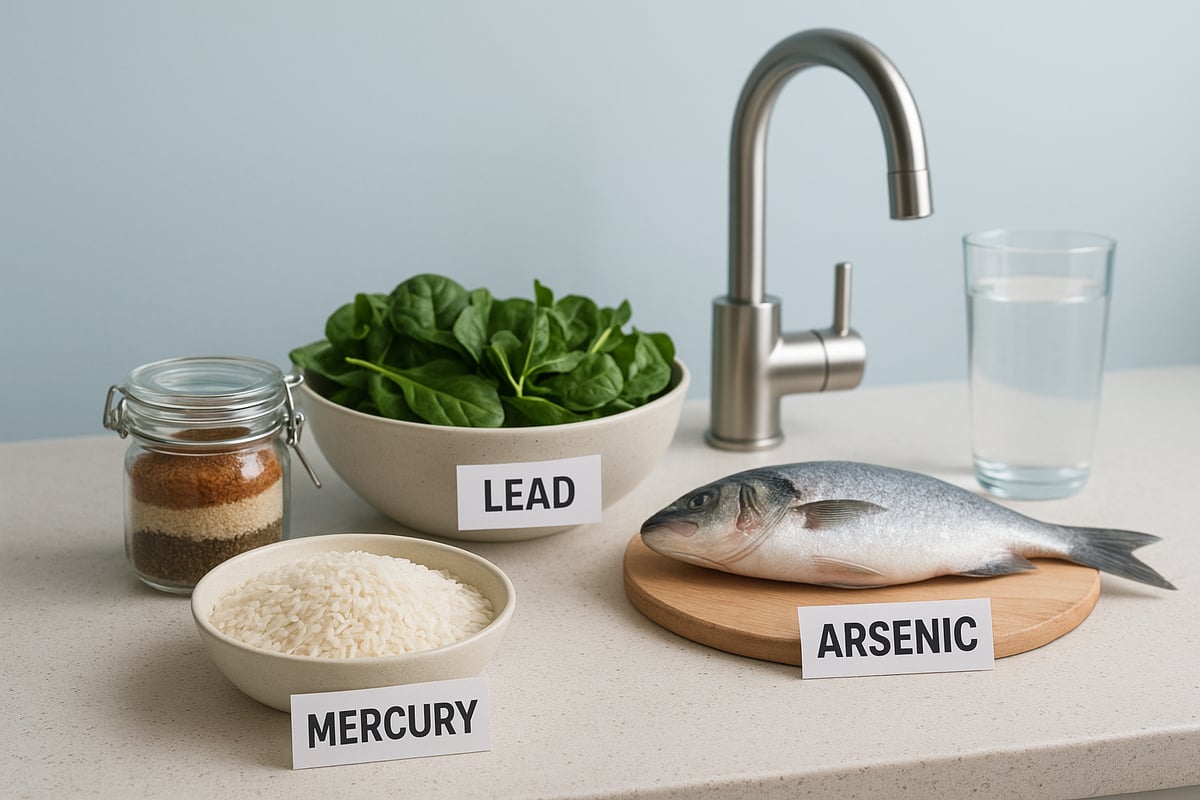
Heavy metals include elements such as lead, mercury, cadmium, and arsenic. While some metals like zinc and copper are essential for health in small amounts, toxic metals have no safe level of exposure. They enter our bodies mainly through industrial pollution, contaminated water supplies, certain foods, and everyday household items.
Bioaccumulation is a key concept here. Once inside the body, heavy metals can persist for years, gradually building up in organs and tissues. This persistence makes the metal detox diet increasingly important, especially as recent studies report higher levels of heavy metals in both food and water supplies worldwide.
Not all metals are created equal. Here's a quick comparison:
| Metal Type | Example Elements | Role in Body | Risk Level |
|---|---|---|---|
| Essential Metals | Zinc, Copper | Required in small amounts | Low (if balanced) |
| Toxic Metals | Lead, Mercury, Arsenic, Cadmium | No beneficial role | High |
Common sources include mercury in certain fish, lead in imported spices, and arsenic in rice. These exposures often go unnoticed, but their cumulative effect can be significant. As our environment becomes more polluted, supporting natural detoxification has never been more crucial. For a comprehensive overview of how heavy metals impact health and how diets can help, see this Heavy Metal Detox Diet Overview.
Health Risks Associated with Heavy Metal Exposure
Exposure to toxic metals can result in both acute and chronic health issues. Acute toxicity may cause symptoms like headaches, nausea, and abdominal pain soon after exposure. Chronic exposure, on the other hand, can lead to fatigue, persistent brain fog, digestive disturbances, and even neurological problems over time.
The risks are particularly high for children, pregnant women, and people living in urban or industrial regions. Long-term exposure has been linked to organ damage, developmental delays, and increased susceptibility to chronic diseases. Public health reports from recent years show rising rates of heavy metal detection in blood and urine samples, highlighting the urgency of effective strategies like the metal detox diet.
Symptoms often overlap with other health conditions, making diagnosis challenging. For example, cases of unexplained fatigue or memory loss have sometimes been traced back to hidden exposures from food or water. Documented outbreaks of metal poisoning are rare, but they underscore the importance of vigilance.
Recognizing the signs early and understanding your personal risk factors can guide you toward safer choices. The metal detox diet offers a proactive approach, aiming to reduce accumulation before serious health impacts occur.
Recognizing Signs of Metal Toxicity
Heavy metal exposure often goes unnoticed until symptoms become persistent. Recognizing the signs early can make a significant difference in how effective a metal detox diet will be in restoring balance and supporting overall health.

Common Symptoms and When to Seek Help
The body can react to heavy metals in many ways, making the symptoms of toxicity easy to confuse with other health conditions. Early warning signs that may suggest a need to consider a metal detox diet include:
- Abdominal pain or discomfort
- Nausea, vomiting, or unexplained digestive issues
- Muscle weakness or cramps
- Persistent headaches and fatigue
Over time, chronic exposure to metals like mercury, lead, or cadmium can lead to more complex symptoms. These may include insomnia, memory loss, tingling sensations in the hands or feet, and visual disturbances. The specific symptoms often vary based on the type of metal involved. For example, mercury is linked to neurological symptoms, while lead exposure can cause learning difficulties and behavioral changes, especially in children.
Because these symptoms are not unique to metal toxicity, many people are misdiagnosed or remain undiagnosed for extended periods. Medical diagnosis is critical. Blood, urine, or hair analysis can help determine if heavy metals are present at concerning levels. According to recent health data, misdiagnosis rates for metal toxicity remain high, with many cases only identified after months of unexplained symptoms.
A real-world example involves an individual who experienced chronic fatigue and digestive problems for years before testing revealed elevated arsenic levels from rice consumption. This highlights the importance of considering a metal detox diet when symptoms persist with no clear cause. For additional guidance on identifying symptoms and detoxification steps, refer to the Heavy metal detoxification guide.
Who Should Consider a Metal Detox Diet?
A metal detox diet is not only for those with confirmed toxicity. Individuals at higher risk should also consider dietary intervention as a preventive measure. This includes people living in urban or industrial areas, those working in manufacturing, construction, or agriculture, and anyone frequently consuming high-risk foods like certain fish or nonorganic produce.
Key criteria for considering a metal detox diet are:
- Persistent, unexplained symptoms that do not resolve with standard care
- Occupational or environmental exposure to heavy metals
- Living in regions with known contamination in water or soil
- A desire to support overall wellness and reduce long-term health risks
A metal detox diet can be used both preventively and therapeutically. While it should never replace medical treatment, it complements professional care by helping reduce the body's total toxic load. Diet plays a crucial role in managing exposure, especially when combined with other strategies like proper hydration and regular testing.
Expert guidelines for 2026 recommend that anyone with ongoing, unexplained health concerns, or with known exposure risks, work with a healthcare provider to assess their need for a metal detox diet. Taking proactive steps can help minimize the impact of heavy metals and support long-term health.
Core Principles of the Metal Detox Diet
Adopting the right food strategies is central to an effective metal detox diet. By focusing on nutrient-dense choices and reducing exposure to toxins, you can support your body’s natural elimination processes and help lower the burden of heavy metals.
Foods to Eat for Effective Detoxification
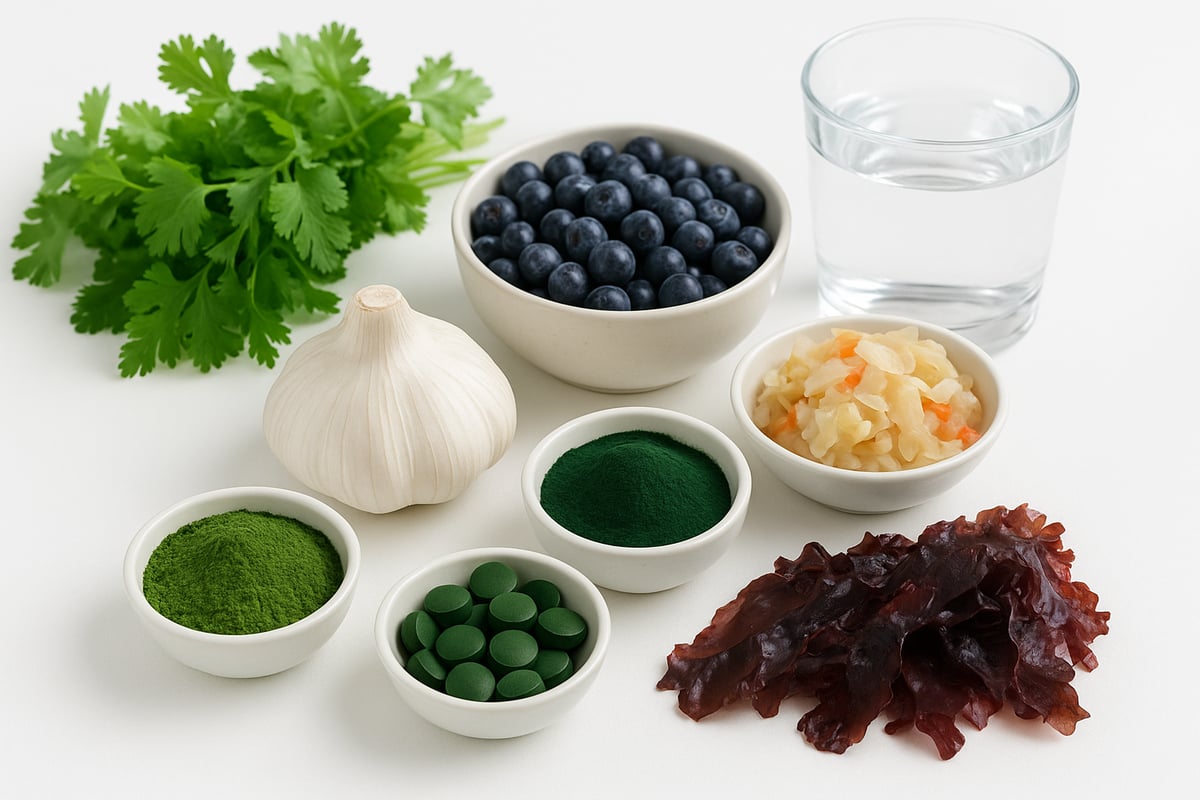
The foundation of a metal detox diet lies in selecting foods that actively support the body’s detoxification pathways. Ingredients like cilantro and garlic are valued for their potential to bind certain metals and enhance elimination. Wild blueberries, rich in antioxidants, help combat oxidative stress caused by toxic metals.
Algae-based foods such as spirulina and chlorella have been studied for their ability to bind and remove heavy metals from the digestive tract. Barley grass juice powder and Atlantic dulse supply essential minerals and may assist in chelation, a process where compounds attach to metals for removal.
Including a wide range of plant-based, fiber-rich foods is crucial. Fiber helps trap metals in the gut and encourages their excretion. Fermented foods and probiotics, like sauerkraut or kimchi, further support gut integrity and regular elimination.
Nutrient synergy is another key aspect. Vitamins B and C, along with minerals like selenium and zinc, play supporting roles in the body’s detox pathways. Research indicates that plant-forward diets can increase fecal elimination of metals, leading to measurable drops in blood and hair metal levels over time. For a detailed list of the best foods to include, visit the best foods for detoxification resource.
Foods and Substances to Avoid
Equally important in the metal detox diet is knowing which foods and habits could undermine your progress. Large, long-living fish such as tuna and swordfish often accumulate high mercury levels. Rice, especially brown rice, is prone to arsenic contamination, making it a food to monitor or limit.
Processed foods and nonorganic produce may carry additional risks due to pesticides or environmental contamination. Diets high in unhealthy fats and processed ingredients can increase toxin absorption, making it harder for your body to eliminate metals efficiently.
Alcohol consumption is another factor, as it can enhance lead absorption and stress the liver. Animal products, particularly organ meats and bone meal, may contain concentrated levels of metals due to bioaccumulation.
Recent food safety surveys have highlighted concerning levels of arsenic in rice and mercury in certain fish species. Case studies reveal that dietary patterns can directly influence metal exposure, underscoring the importance of careful food sourcing and preparation in the metal detox diet.
Step-by-Step Guide: Implementing the Metal Detox Diet in 2026
Adopting a metal detox diet in 2026 involves more than simply changing what you eat. Success relies on a structured, step-by-step approach tailored to your unique exposure risks, dietary needs, and health goals.
Below, you will find a clear path to help you assess, transition, and optimize your diet for effective heavy metal reduction.
Step 1: Assess Your Exposure and Set Goals
Begin your journey with a careful assessment of your personal risk factors. Consider your environment, occupation, and dietary habits. Are you exposed to older plumbing, industrial areas, or consume fish regularly? These factors can increase your risk of metal buildup.
Medical tests such as blood, urine, or hair analysis can help identify your current heavy metal levels. At-home exposure checklists are also useful for a preliminary evaluation.
Set realistic goals for your metal detox diet. Some may aim for prevention, while others seek to reduce existing symptoms. Understanding the benefits of a metal detox diet can help you clarify your objectives and stay motivated.
Document your starting point and track any symptoms, so you can measure progress over time.
Step 2: Transition to Detox-Friendly Foods
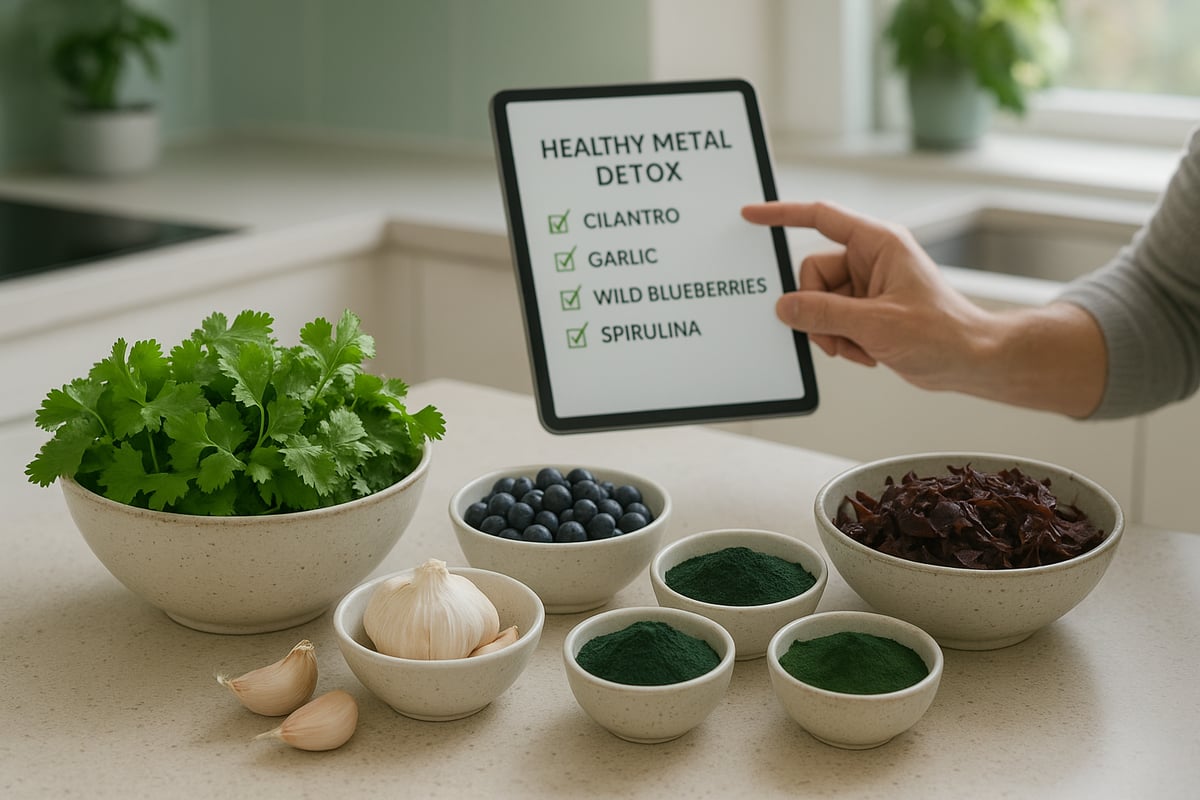
Shifting to a metal detox diet works best when done gradually. Start by adding detoxifying foods like cilantro, garlic, wild blueberries, chlorella, and spirulina into your daily meals.
Sample meal plans could include a smoothie with wild blueberries and barley grass juice powder for breakfast, a salad with cilantro and Atlantic dulse for lunch, and a dinner featuring steamed vegetables with garlic and brown rice alternatives.
Keep your kitchen stocked with fresh, organic produce whenever possible. Plan meals ahead to avoid last-minute choices that may expose you to more metals.
Experiment with recipes and discover enjoyable ways to incorporate these foods. Over time, this approach supports sustainable, long-term dietary change.
Step 3: Eliminate High-Risk Foods and Habits
Identify and remove foods most likely to contribute to heavy metal exposure. Large fish such as tuna and swordfish, nonorganic rice, processed foods, and organ meats are common culprits.
Read ingredient labels carefully. Seek out safer alternatives, such as small wild-caught fish and grains like quinoa or millet. Avoid excessive consumption of animal products that are prone to bioaccumulation.
Limit alcohol intake since it can increase the absorption of certain metals. Be cautious of trendy detox products that lack scientific support.
A simple checklist can help you track foods to avoid and keep your metal detox diet on course.
Step 4: Support Detox Pathways Naturally
Hydration is key. Drink plenty of filtered water to support your body’s natural elimination processes. Consuming fiber-rich foods aids in the removal of toxins through digestion.
Regular exercise and activities that promote sweating, like brisk walking or sauna sessions, can help eliminate metals through the skin.
Gut health matters. Integrate probiotics and fermented foods, such as sauerkraut or kimchi, to maintain a healthy digestive system. This supports the effectiveness of your metal detox diet and encourages regular elimination.
Step 5: Monitor Progress and Adjust as Needed
Track changes in your symptoms and overall well-being as you continue with the metal detox diet. Keep a journal or use a digital tracker to note improvements in energy, focus, and digestive comfort.
If you notice persistent symptoms or have concerns, consult a healthcare professional for further testing and guidance. Adjust your diet based on new research or test results to optimize your approach.
Many individuals share stories of improved vitality and reduced symptoms after consistent effort. Remember, a metal detox diet is a personal journey that benefits from patience and ongoing attention.
Science-Backed Supplements and Natural Supports
Supplements play a vital role in enhancing the effectiveness of a metal detox diet. As heavy metal exposure becomes more widespread, selecting evidence-based natural supports can help optimize your detox plan and reduce risks linked to accumulation.
Choosing the Right Supplements for Your Metal Detox Diet
Several supplements have emerged as reliable aids for those following a metal detox diet. The most recognized include:
| Supplement | Mechanism | Supportive Data |
|---|---|---|
| Spirulina | Binds heavy metals, boosts antioxidant enzymes | Clinical studies show increased metal excretion |
| Chlorella | Chelates metals, supports immune function | Shown to lower mercury and lead levels |
| Vitamin C | Enhances antioxidant defense, may reduce absorption | Associated with decreased blood lead |
| Zeolite | Binds metals in gut, supports elimination | Popular in recent trials, safe when pure |
These supplements can be integrated into daily routines, either as powders, capsules, or added to smoothies. Their popularity in the metal detox diet has grown as more research confirms their benefits.
Safety, Evidence, and What to Avoid
While these natural supports are promising, safety is essential. Always choose high-quality, third-party tested supplements with clear ingredient lists. Dosage matters, as excessive intake can lead to unwanted effects or interactions with medications.
It is important to avoid unproven or potentially harmful products. Some so-called detox aids may contain contaminants or lack rigorous testing. A review of dietary strategies for cadmium and lead toxicity outlines practical supplement recommendations and highlights the need for evidence-based choices.
Recent clinical trials have demonstrated that combinations of spirulina or chlorella with a metal detox diet can increase the excretion of mercury and lead. Zeolite, in particular, has gained attention for its ability to bind metals in the gut, although purity and sourcing are vital.
Practical Guidance and Trends for 2026
Before starting any new supplement, consult a healthcare professional, especially if you have underlying health conditions. Track your progress and adjust as needed based on how your body responds.
Looking ahead, natural heavy metal detox methods are expected to remain a cornerstone of the metal detox diet, with resources like Natural heavy metal detox methods providing ongoing guidance. As research evolves, staying informed will help you make safe, effective choices on your detox journey.
Trends and Innovations in Metal Detox Diets for 2026
The landscape of the metal detox diet is rapidly evolving in 2026, driven by scientific breakthroughs and heightened public awareness. New research, technological advancements, and regulatory updates are shaping how individuals approach heavy metal reduction through diet and lifestyle.
Emerging Dietary Strategies and Scientific Advances
Researchers continue to uncover the most effective foods and dietary patterns for reducing heavy metal accumulation. A major trend in the metal detox diet is the emphasis on whole, fiber-rich plant foods, such as leafy greens, cruciferous vegetables, and berries. These foods support the body's natural detoxification pathways and may help bind and eliminate metals.
Recent studies have highlighted the power of certain superfoods, including chlorella, spirulina, and cilantro, for their potential chelating properties. Fermented foods and probiotics are also gaining attention for their role in supporting gut health and aiding toxin removal.
A systematic review, Dietary Interventions for Heavy Metal Exposure, has evaluated the effectiveness of specific dietary approaches, especially among vulnerable populations. This research underscores the importance of evidence-based choices when designing a metal detox diet.
Innovations in food testing are now making it easier for consumers to identify and avoid contaminated products. Home test kits and transparent supply chain data empower individuals to make safer food selections.
Key dietary trends in 2026:
- Increased consumption of detoxifying superfoods
- Wider adoption of organic and locally sourced foods
- Use of at-home and in-store contamination testing tools
- Greater reliance on plant-based proteins to reduce exposure risk
Technology, Personalization, and Market Trends
Personalized nutrition is transforming the metal detox diet. In 2026, DNA-based recommendations are helping users tailor their detox plans according to genetic susceptibilities and metabolic profiles. Mobile apps and wearable devices now track dietary intake, exposure risk, and progress in real time, making the detox journey more interactive and data-driven.
Advances in technology also extend to food sourcing. Smart labels and blockchain-based traceability allow consumers to verify the safety and origin of their food choices. This trend is especially relevant for foods with higher contamination risks, such as rice and seafood.
Regulatory changes in 2026 have set stricter limits on heavy metal content in foods, prompting manufacturers to improve safety measures. As a result, more companies are marketing products specifically formulated for a metal detox diet.
Market data shows a surge in consumer interest in detox-focused products and services. New superfoods, like barley grass juice powder and Atlantic dulse, are gaining popularity for their detox potential. At the same time, research on how dietary patterns, such as a high-fat diet, influence heavy metal toxicity, is guiding recommendations for healthier choices.
Innovative tools and trends:
- DNA-based dietary advice for personalized detox plans
- Apps and wearables for monitoring exposure and progress
- Blockchain and smart labels for food safety verification
- Growing market for detox products and educational resources
As the metal detox diet continues to evolve, staying informed about these trends will help individuals make safer, more effective choices for long-term health.
Now that you understand how widespread heavy metal exposure is and how the right diet can make a real difference, you might be wondering what practical steps to take next. We’ve covered the risks, the foods to focus on, and the emerging research—so why not take your detox journey to the next level with expert, science-backed guidance? For a deeper dive into effective detox solutions and easy-to-follow recommendations, you can Download Your Free Zeolite Detox Guide. It’s a comprehensive resource designed to help you safely and confidently start your metal detox journey with clarity and support.