
Are you feeling sluggish, bloated, or simply not at your best? Sometimes, your body signals it is time for a change. A healthy cleansing diet offers a practical way to reset, helping you rediscover energy and balance.
This guide will show you how a thoughtfully planned approach can support greater wellness and vitality in 2026. You will learn what a cleansing diet is, the core principles behind it, and how to plan each step for success.
Expect science-backed insights, recommended foods, and actionable tips. Let us begin your journey to a healthier, more vibrant you.
Understanding Cleansing Diets: Myths, Facts & Health Benefits
Are you curious about what makes a healthy cleansing diet different from other eating plans? Understanding the principles behind cleansing diets can help you make informed decisions for your wellness journey. In this section, we will explore definitions, benefits, risks, and the science that shapes these popular diets in 2026.
What Is a Cleansing Diet?
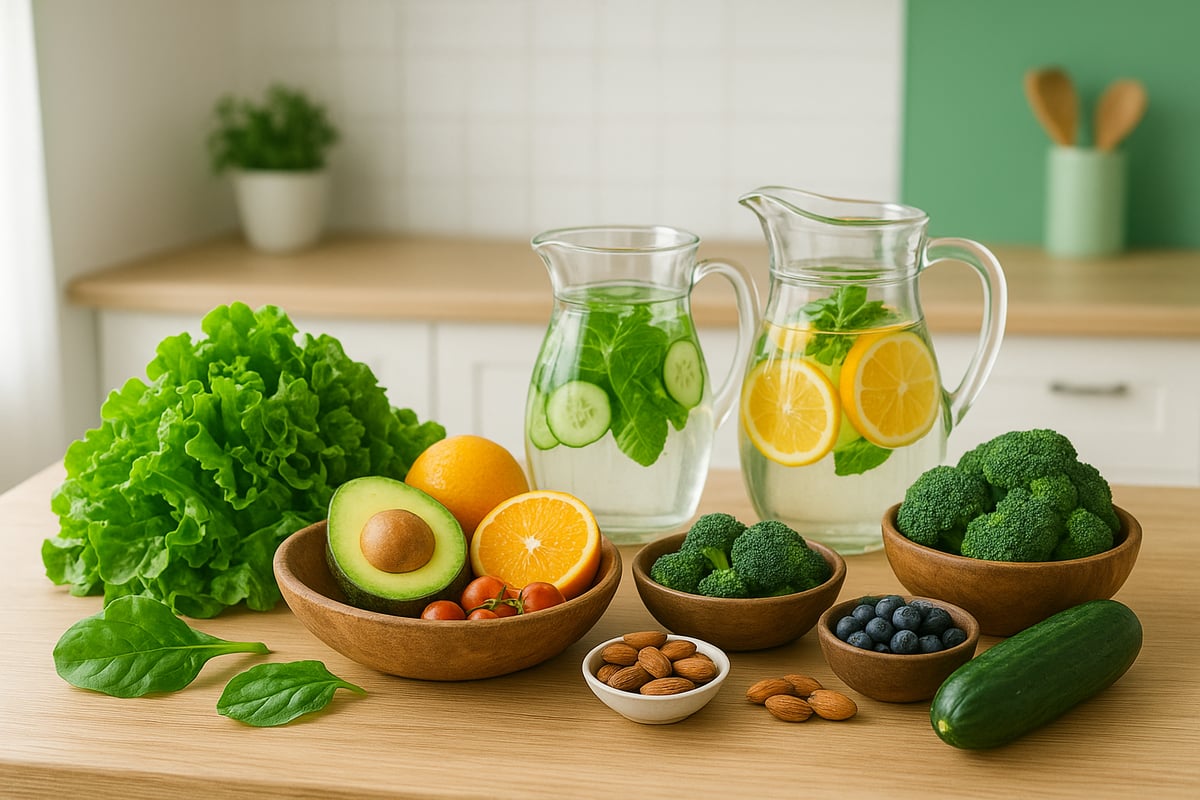
A healthy cleansing diet is designed to support the body's natural detoxification systems using whole, unprocessed foods and optimal hydration. Unlike extreme detox or fad diets, a healthy cleansing diet emphasizes nourishment, not deprivation. Many people confuse cleansing diets with quick-fix detoxes that rely on supplements or severe calorie restriction, but the focus here is on gentle, sustainable change.
In 2026, trends show a shift towards whole-food cleanses rather than juice-only regimens. Hydration remains essential, as water helps flush waste products. For example, compare a juice cleanse, which may lack fiber and protein, to a whole-food cleanse that includes a variety of vegetables, fruits, and lean proteins for better balance and satisfaction.
| Cleanse Type | Fiber | Protein | Satiety | Hydration |
|---|---|---|---|---|
| Juice Cleanse | Low | Low | Low | High |
| Whole-Food Cleanse | High | Moderate | High | High |
Science-Backed Benefits of Cleansing Diets
Recent studies between 2023 and 2026 highlight several potential benefits of a healthy cleansing diet. Research suggests participants often experience improved digestion, increased energy, and greater mental clarity. For instance, surveys indicate that up to 65% of individuals report feeling more energetic after adopting cleansing dietary changes.
A healthy cleansing diet may also support the body's own detoxification processes, especially when emphasizing fiber-rich foods and adequate fluids. However, it's important to recognize the limitations of current science; not all claims are backed by strong evidence. For a deeper dive into the real, research-based advantages, explore this Detox Diet Health Benefits guide. Always consider that while many people feel better, results can vary based on individual factors.
Risks and Considerations
While a healthy cleansing diet can be beneficial for many, certain groups should exercise caution. Individuals with chronic illnesses, pregnant or breastfeeding women, and those with a history of eating disorders should consult a healthcare provider before starting. Possible side effects include fatigue, headaches, or nutrient deficiencies if the plan is too restrictive.
Rapid weight loss and "miracle" claims are common myths. In reality, sustainable change is gradual and requires balanced nutrition. Leading nutrition organizations emphasize the need for safe practices, such as avoiding extreme calorie cuts and ensuring all essential nutrients are included in your plan. Medical supervision is advised for anyone with special health considerations.
How Cleansing Diets Fit Into Wellness Lifestyles
A healthy cleansing diet is most effective when integrated into your daily eating habits rather than treated as a short-term fix. The principles of cleansing—such as prioritizing whole foods and hydration—align with holistic health and preventive care approaches. Many find inspiration in the Mediterranean diet, which naturally incorporates cleansing elements through its focus on plant-based foods, healthy fats, and lean proteins.
Instead of relying on quick cleanses, think of a healthy cleansing diet as a foundation for long-term wellness. It can be the starting point for lasting improvements in energy, digestion, and overall well-being. Making small, consistent changes is often more sustainable than drastic measures.
Key Terms & Definitions
Understanding key terminology can help you navigate the world of healthy cleansing diets with confidence. Here are some important definitions:
| Term | Definition | Example/Clarification |
|---|---|---|
| Toxin | A substance that may be harmful to the body, often processed by the liver. | Not always from food; can be external |
| Detox | The body's natural process of eliminating toxins. | Liver, kidneys, and gut are involved |
| Cleanse | A dietary approach aimed at supporting detoxification. | Focus on whole foods and hydration |
| Clean Eating | Consuming minimally processed, nutrient-dense foods. | Trend in 2026: less processed foods |
It's important to distinguish between scientific and marketing language. In 2026, "clean eating" refers to embracing real, unprocessed foods rather than following rigid or restrictive rules.
Preparing for Your Cleansing Diet: Essential Steps
Starting a healthy cleansing diet is more than just changing what you eat. Preparation sets the foundation for lasting results and a positive experience. Small, intentional steps taken before you begin can help you avoid common pitfalls and ensure you get the most out of your journey.
Assessing Your Goals and Needs
Every healthy cleansing diet should begin with clear intentions. Why do you want to cleanse? Is your aim better energy, smoother digestion, clearer skin, or simply a fresh start? Reflecting on your personal reasons helps you choose the right path.
Complete a self-assessment before you begin. Consider any food sensitivities, allergies, or lifestyle factors that may impact your experience. Setting achievable, measurable goals can keep you motivated. Use a simple worksheet to track your starting point and desired outcomes, such as increased energy or improved digestion.
Consulting with Health Professionals
Before starting a healthy cleansing diet, consult with a nutritionist or healthcare provider. This step is especially important for individuals with chronic conditions, those who are pregnant, or anyone with specific dietary needs. Professional guidance ensures your plan is safe and tailored to your body.
Dietetic associations recommend medical clearance for certain populations, highlighting the importance of a personalized approach. Experts can help you avoid nutrient gaps and monitor your progress, offering peace of mind as you move forward.
Planning Your Cleanse: Duration, Timing & Approach
Thoughtful planning is key to a successful healthy cleansing diet. Decide which approach fits your needs: whole-food, plant-based, elimination, or another method. Determine the ideal length, whether it is a 3-day, 7-day, or 14-day cleanse. Many people choose to start after holidays or during seasonal changes for added motivation.
For a detailed walkthrough, the Step-by-Step Cleansing Guide offers a comprehensive overview of timing, structure, and best practices. Creating a cleanse calendar helps you stay organized and focused throughout the process.
Stocking Your Kitchen for Success
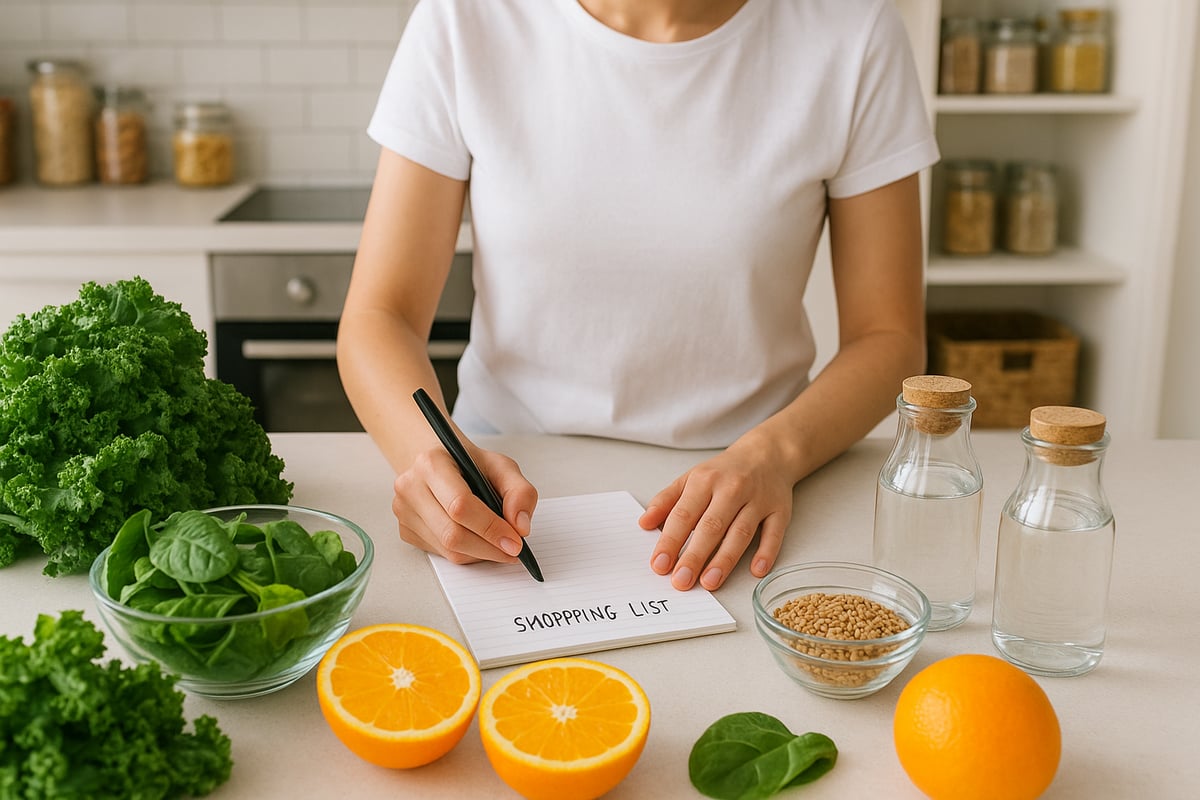
Preparation is the cornerstone of any healthy cleansing diet. Begin by making a shopping list of whole, nutrient-dense staples like leafy greens, citrus fruits, seeds, and legumes. Remove processed foods and common triggers from your kitchen to reduce temptation.
Try this pantry checklist:
- Fresh produce: spinach, kale, broccoli, berries
- Whole grains: quinoa, brown rice, oats
- Healthy fats: avocados, nuts, seeds
- Hydration essentials: filtered water, herbal teas
Meal prepping in advance saves time and lowers stress, making it easier to stick to your plan, even on busy days.
Mindset & Lifestyle Preparation
Success with a healthy cleansing diet is as much about mindset as it is about nutrition. Prepare mentally by practicing mindfulness and setting intentions for your journey. Building a support system—whether friends, family, or online communities—can keep you encouraged.
Journaling your thoughts, tracking your progress, and using daily affirmations like “I nourish my body with every choice” help reinforce positive habits. Remember, a healthy cleansing diet is a holistic reset, not just a temporary change.
Core Principles of a Healthy Cleansing Diet
A healthy cleansing diet is built on evidence-based habits that support your body’s natural processes. By focusing on whole foods, optimal hydration, balanced nutrition, and mindful choices, you can create a foundation for lasting wellness. Let’s explore the core principles that make a healthy cleansing diet truly effective in 2026.
Emphasize Whole, Unprocessed Foods
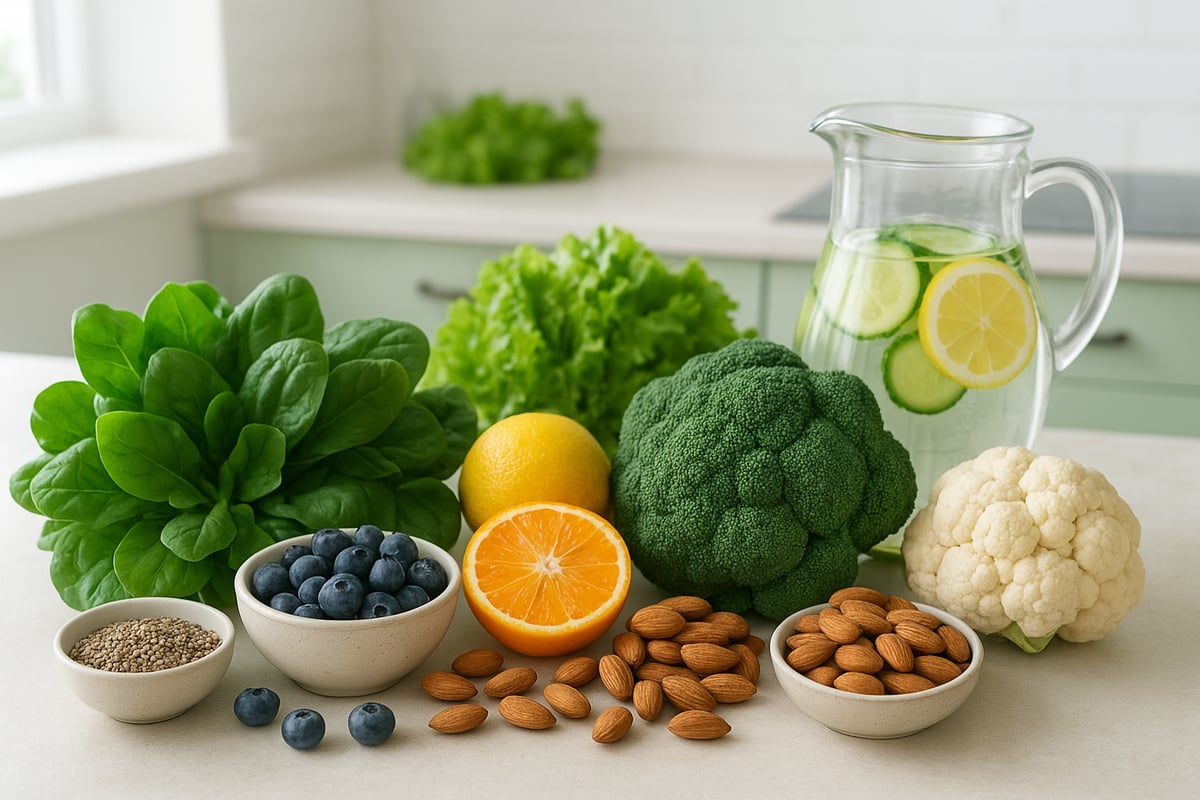
The foundation of any healthy cleansing diet is whole, unprocessed foods. These foods are rich in vitamins, minerals, fiber, and phytonutrients that nourish your body and support natural detoxification.
Choose leafy greens like spinach and kale, cruciferous vegetables such as broccoli and cauliflower, and antioxidant-rich berries. Legumes and seeds offer plant-based protein and healthy fats, making your meals more satisfying.
Below is a quick comparison of nutrient density:
| Food Type | Nutrient Density (per 100g) |
|---|---|
| Kale | High |
| Quinoa | Moderate |
| Processed Snack | Low |
By prioritizing these foods, your healthy cleansing diet supplies essential nutrients, helping you feel energized and balanced.
Hydration: The Unsung Hero
Proper hydration is crucial in a healthy cleansing diet. Water helps flush out metabolic waste, keeps digestion smooth, and supports every cell in your body.
Aim for at least 8 glasses (about 2 liters) of water daily, adjusting for activity level and climate. Herbal teas, infused waters with cucumber or lemon, and nourishing broths also count toward your daily intake.
Try tracking your hydration:
| Day | Water (glasses) | Herbal Tea (cups) |
|---|---|---|
| Mon | 8 | 2 |
| Tue | 9 | 1 |
Consistent hydration supports your body’s cleansing efforts and enhances the benefits of your healthy cleansing diet.
Balanced Macronutrients & Micronutrients
A healthy cleansing diet is not about extreme restriction. Instead, it emphasizes a balanced intake of protein, healthy fats, and complex carbohydrates, along with a variety of vitamins and minerals.
Build each meal with:
- Lean protein (chickpeas, lentils, tofu)
- Healthy fats (avocado, olive oil, nuts)
- Complex carbs (quinoa, brown rice, sweet potatoes)
- A rainbow of vegetables
This approach maintains energy, helps prevent cravings, and ensures your body receives the building blocks it needs during your healthy cleansing diet.
Limiting Common Dietary Triggers
Certain foods can undermine the goals of a healthy cleansing diet. Reducing added sugars, refined grains, processed meats, and alcohol helps minimize inflammation and supports gut health.
Recent global trends show more people are moving away from processed foods and embracing clean eating, as noted in Processed foods lose favour as clean eating reshapes global diets.
To ease the transition:
- Gradually cut back on sugary drinks and snacks
- Swap white bread for whole grains
- Choose lean proteins over processed meats
By limiting these triggers, your healthy cleansing diet becomes more sustainable and effective.
Supporting Natural Detoxification Pathways
Your body has built-in detoxification systems, including the liver, kidneys, and gut. A healthy cleansing diet supports these pathways with fiber, antioxidants, and phytonutrients from a variety of plant foods.
High-fiber foods like chia seeds, berries, and legumes help maintain digestive health. Antioxidant-rich vegetables and fruits protect cells from oxidative stress.
Sample detox-supportive meal ideas:
- Lentil and kale soup
- Quinoa salad with spinach, citrus, and pumpkin seeds
- Green smoothie with berries and flaxseed
Supporting these natural processes is central to the philosophy of a healthy cleansing diet.
Step-by-Step Guide: How to Start Your Cleansing Diet
Starting a healthy cleansing diet can feel overwhelming, but breaking it down into manageable steps makes it much more approachable. This guide walks you through each phase, helping you prepare, adapt, and thrive during your cleanse journey.
Step 1: Pre-Cleanse Preparation
Before starting a healthy cleansing diet, take three days to gradually reduce caffeine, sugar, and processed foods. This transition helps your body adjust and minimizes common side effects like headaches or fatigue.
Prioritize hydration by drinking at least eight glasses of water daily. Quality sleep is also essential for supporting your body's natural reset.
3-Day Pre-Cleanse Checklist:
- Cut back on coffee, sodas, and sweets
- Increase water and herbal tea intake
- Plan simple, whole-food meals
- Go to bed 30 minutes earlier each night
Taking these steps sets a strong foundation for your healthy cleansing diet and boosts your motivation to begin.
Step 2: Day 1-3 – Kickoff and Initial Adjustment
The first few days of a healthy cleansing diet often bring noticeable changes. You might experience increased cravings or shifts in energy as your body adapts.
A sample meal plan for days 1-3 includes:
- Breakfast: Green smoothie with spinach, banana, chia seeds
- Lunch: Quinoa salad with mixed greens and chickpeas
- Snack: Sliced cucumber with hummus
- Dinner: Steamed broccoli, sweet potato, and lentils
If you need inspiration for what to eat, check out Foods for Body Cleansing for more ideas. Stay patient, drink plenty of water, and remind yourself why you started your healthy cleansing diet.
Step 3: Day 4-7 – Deepening the Cleanse
As your healthy cleansing diet progresses, focus on increasing plant-based meals and fiber. Add more leafy greens, cruciferous vegetables, and berries to support digestion.
Incorporate gentle movement like yoga or walking to help your body process nutrients and maintain energy.
Hydration and Herbal Tea Schedule:
- Morning: Warm lemon water
- Afternoon: Green tea or peppermint tea
- Evening: Chamomile or ginger tea
These practices will deepen the effects of your healthy cleansing diet and help you feel more balanced.
Step 4: Day 8-14 – Sustaining and Listening to Your Body
Entering the second week of your healthy cleansing diet, pay close attention to how your body responds. Track changes in energy, digestion, and sleep patterns.
If you notice improvements, continue with your current foods. If you feel sluggish or unsatisfied, adjust your meals by adding more protein or healthy fats.
Practice mindful eating by slowing down at meals and noticing hunger and fullness cues. This step is crucial for making your healthy cleansing diet sustainable.
Step 5: Transitioning Out of the Cleanse
When you finish your healthy cleansing diet, reintroduce foods slowly to avoid overwhelming your system. Start with small portions of whole grains or dairy, if tolerated.
Avoid returning to old habits or indulging in processed foods immediately. Plan balanced, nourishing meals such as:
- Oatmeal with berries and walnuts
- Grilled vegetables with brown rice
- Lentil soup with leafy greens
This gradual approach helps you maintain the benefits of your healthy cleansing diet and supports ongoing wellness.
Step 6: Maintaining Results for Long-Term Wellness
To keep the positive effects of your healthy cleansing diet, build sustainable routines. Consider incorporating mini-cleanses or reset days once a month.
Weekly Meal Prep Strategy:
- Choose one day to batch-cook grains, legumes, and roasted vegetables
- Stock up on fresh produce and healthy snacks
- Prepare grab-and-go containers for busy days
By making these habits part of your lifestyle, your healthy cleansing diet becomes more than a temporary reset; it becomes a foundation for lifelong vitality.
Recommended Foods & Sample Meal Plans for 2026
Building a healthy cleansing diet is all about choosing foods that nourish, energize, and support your body’s natural processes. In 2026, an evidence-based approach means focusing on nutrient-dense whole foods, limiting common triggers, and planning satisfying meals. Use these guidelines and meal ideas to set yourself up for a successful healthy cleansing diet.
Top Foods for a Cleansing Diet
The foundation of any healthy cleansing diet is built on fresh, unprocessed ingredients that support your body’s detoxification pathways. Focus on these "power foods" for optimal results:
| Food Group | Examples | Key Benefits |
|---|---|---|
| Leafy Greens | Spinach, kale, arugula | Rich in chlorophyll |
| Cruciferous Veggies | Broccoli, cauliflower, cabbage | Support liver function |
| Berries | Blueberries, raspberries | High in antioxidants |
| Citrus | Lemon, grapefruit, orange | Boost vitamin C |
| Seeds & Legumes | Chia, flax, lentils, beans | Fiber and minerals |
For a deeper dive into specific foods that maximize cleansing, see Natural Detox Foods for 2026. Incorporating these foods helps create a well-rounded healthy cleansing diet.
Foods to Limit or Avoid
A healthy cleansing diet is most effective when you minimize foods that can trigger inflammation or disrupt digestion. Common items to limit include:
- Processed snacks and packaged foods
- Fried foods and fast food
- Added sugars and sugary drinks
- Artificial additives and preservatives
- Alcohol and processed meats
Research consistently links processed foods to higher inflammation and reduced gut health. By removing these triggers, your healthy cleansing diet will be more supportive of your goals. Focus on reading labels and choosing natural options whenever possible.
Sample 7-Day Cleansing Meal Plan
Planning ahead can make your healthy cleansing diet both enjoyable and sustainable. Here is a sample 7-day meal plan to inspire your week:
| Day | Breakfast | Lunch | Dinner | Snack |
|---|---|---|---|---|
| 1 | Green smoothie | Lentil salad | Quinoa stir-fry | Berries & nuts |
| 2 | Oatmeal with berries | Chickpea bowl | Grilled veggies | Citrus slices |
| 3 | Chia pudding | Sweet potato salad | Baked salmon* | Veggie sticks |
| 4 | Avocado toast | Spinach soup | Brown rice & beans | Apple slices |
| 5 | Overnight oats | Quinoa tabbouleh | Steamed broccoli bowl | Seed crackers |
| 6 | Fruit salad | Veggie wrap | Roasted cauliflower | Hummus & carrots |
| 7 | Smoothie bowl | Mixed greens salad | Stuffed peppers | Almonds |
*For plant-based, replace salmon with tofu or tempeh. This variety ensures your healthy cleansing diet stays balanced and satisfying.
Cleansing-Friendly Recipes & Snack Ideas
Simple recipes make it easier to maintain your healthy cleansing diet throughout the week. Try these quick ideas:
- Green smoothie: Blend spinach, banana, berries, and water.
- Quinoa bowl: Top cooked quinoa with roasted veggies, chickpeas, and lemon.
- Roasted vegetables: Toss carrots, broccoli, and cauliflower with olive oil and bake.
- Portable snacks: Almonds, pumpkin seeds, apple slices, or celery sticks with hummus.
These options provide energy and nutrients, making your healthy cleansing diet convenient and flavorful.
Tips for Eating Out and Traveling
Sticking to your healthy cleansing diet is possible even when dining out or on the go. Use these strategies:
- Review menus for salads, grilled vegetables, and lean proteins.
- Request dressings and sauces on the side.
- Substitute fries or chips with extra veggies or a side salad.
- Bring your own healthy snacks for travel days.
- Choose water, herbal tea, or sparkling water instead of sugary drinks.
Making mindful choices keeps your healthy cleansing diet on track in any situation. Remember, preparation and flexibility are key for long-term success.
Integrating Cleansing Diets with Modern Wellness Trends
Staying current with wellness means adapting your healthy cleansing diet to the latest trends. In 2026, technology, mindfulness, and sustainability all play a significant role in shaping how we cleanse and support our overall well-being.
Personalization & Technology in Cleansing Diets
Personalization is transforming the healthy cleansing diet experience. Today, many individuals use mobile apps and wearable trackers to monitor meals, hydration, and progress. DNA-based and microbiome-focused nutrition plans are gaining traction, offering tailored guidance for unique needs.
Popular apps in 2026 help users plan meals, track nutrient intake, and even schedule meditation sessions. While technology can empower your journey, it is vital to seek expert advice to ensure your cleanse is safe and effective. For instance, Mercy Health cautions against detox diets without professional supervision, highlighting the importance of individualized approaches.
The Role of Mindfulness and Stress Reduction
Mindfulness is now central to a healthy cleansing diet. Mindful eating encourages you to slow down, savor each bite, and listen to your body's signals. This practice supports digestion and helps prevent overeating.
Stress management also plays a key role. Techniques such as deep breathing, yoga, and guided meditation can help your body adapt to dietary changes. Many find that combining mindfulness with a healthy cleansing diet enhances overall well-being and fosters a long-term commitment to health.
Sustainability and Ethical Eating
A healthy cleansing diet in 2026 is not just about personal wellness but also about environmental responsibility. Choosing organic, local, and seasonal foods reduces your ecological footprint while supporting nutrient-rich meals.
Many people focus on minimizing food waste by meal planning and using leftovers creatively. Opting for plant-based meals further lowers environmental impact. By aligning your healthy cleansing diet with sustainability principles, you contribute to your well-being and the planet's health.
The Role of Zeolite and Natural Detox Solutions
Natural detox solutions are gaining traction within the healthy cleansing diet community, and zeolite stands out as a unique mineral with promising potential. As more people aim to optimize their wellness in 2026, understanding the science and practical use of zeolite is essential for anyone considering a healthy cleansing diet.
What Is Zeolite?
Zeolite is a naturally occurring volcanic mineral, celebrated for its unique crystalline structure. This structure creates a porous matrix, allowing zeolite to act as a molecular sieve. In the context of a healthy cleansing diet, zeolite’s ability to selectively trap certain substances has made it a popular addition to detox routines.
Unlike synthetic additives, zeolite is formed when volcanic ash and seawater interact over thousands of years. Its use in wellness is rooted in its capacity to bind toxins, though it is important to distinguish zeolite’s role in a healthy cleansing diet from unproven “miracle” claims. When used thoughtfully, zeolite may complement other natural detox strategies.
Zeolite in Heavy Metal Detoxification
One reason zeolite is included in many healthy cleansing diet protocols is its affinity for heavy metals. The mineral’s cage-like structure can capture ions of lead, mercury, and other metals, helping to support the body’s natural elimination processes. Scientific interest has grown in recent years, with studies investigating how zeolite supplementation may benefit gut health and detoxification.
For example, research on the effects of zeolite supplementation on intestinal barrier integrity highlights its potential to modulate gut inflammation and support overall digestive wellness. However, individuals considering zeolite as part of a healthy cleansing diet should consult with a healthcare professional and ensure that any supplement used is high quality and free of contaminants.
Comparing Zeolite to Other Detox Methods
How does zeolite stack up against other detox approaches in a healthy cleansing diet? Common alternatives include fiber-based cleanses, activated charcoal, and herbal detox blends. Each method offers different benefits and limitations.
| Method | Mechanism | Pros | Cons |
|---|---|---|---|
| Zeolite | Ionic exchange, binding | Targets heavy metals, gentle | Purity varies, not for all |
| Fiber | Bulk, excretion | Supports gut health | May not target metals |
| Activated Charcoal | Adsorption | Binds some toxins | Can bind nutrients |
| Herbal Cleanses | Varied | Traditional uses | Evidence varies |
A critical review on zeolite clinoptilolite safety and medical applications provides an in-depth look at how zeolite compares in terms of efficacy and safety. As always, integrating zeolite into a healthy cleansing diet should be done with attention to current research and individual needs.
Incorporating Zeolite into a Cleansing Diet
For those interested in adding zeolite to a healthy cleansing diet, a gradual approach is best. Begin by selecting a reputable product, ideally one that is tested for purity and sourced from natural deposits. Start with a low dose, as recommended by the manufacturer or your healthcare provider, and monitor your body’s response.
Timing is also important. Zeolite can be taken with water between meals to maximize its binding potential. Consistency and hydration are key, as water helps transport the bound substances out of the body. Remember, zeolite is not a substitute for the core principles of a healthy cleansing diet, which prioritize whole foods and balanced nutrition.
Zeotox: Science-Backed Zeolite Detox Guidance
Navigating the world of zeolite supplementation can be complex, especially when aiming to enhance a healthy cleansing diet. Zeotox serves as a trusted resource, offering science-backed guides, product reviews, and practical tips for safe and effective use. Their evidence-based approach helps you make informed decisions, ensuring your natural detox journey aligns with both your wellness goals and the latest research.
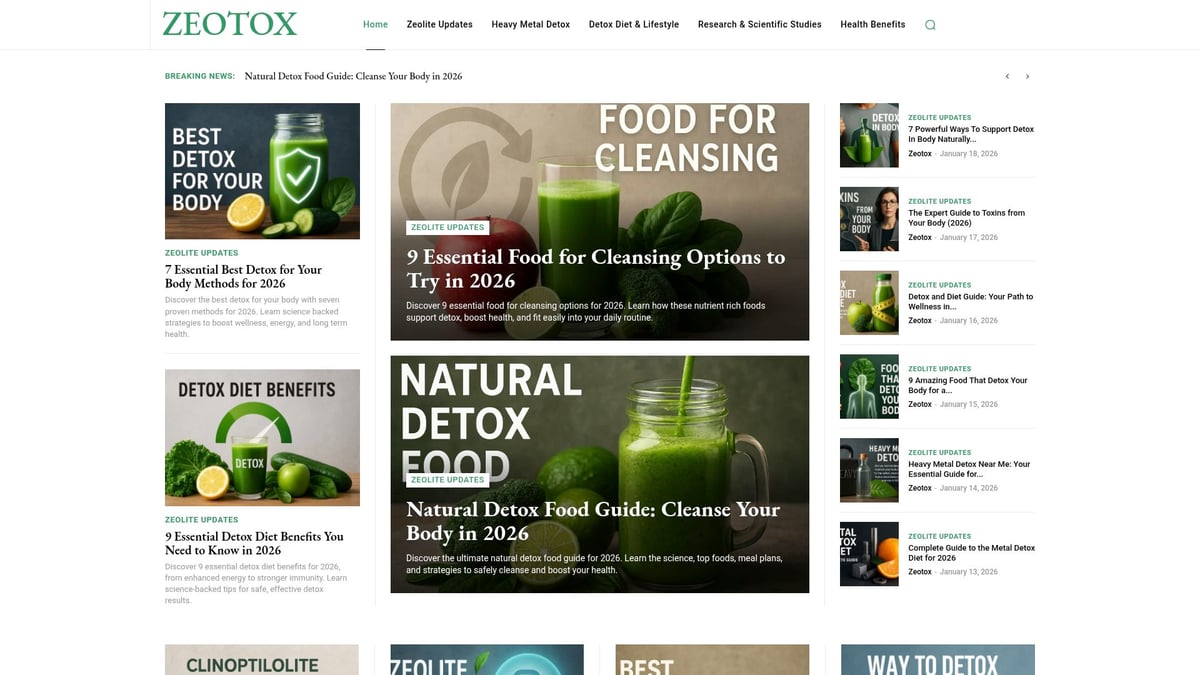
By leveraging resources like Zeotox, you can confidently explore how zeolite fits into your healthy cleansing diet, embracing strategies that are both safe and effective for long-term well-being.
As you embark on your journey toward a healthier, more vibrant you, it’s important to have the right information and resources at your fingertips. Throughout this guide, we’ve explored the principles of a cleansing diet, practical steps for lasting wellness, and the science behind effective detox solutions like zeolite. If you’re ready to take your next step with confidence, I recommend diving deeper into the research and expert tips tailored for your needs. Download your complimentary resource and start making informed decisions about your wellness—grab your Free Zeolite Detox Guide today.