
Did you know that by 2026, the number of hidden toxins in your body is expected to rise due to rapid changes in our environment and everyday products? Modern lifestyles and the latest technology have introduced unexpected sources of exposure, many of which go unnoticed. With smart devices, new food trends, and evolving personal care routines, understanding where toxins in your body come from is more important than ever. Being proactive about these hidden threats can make a real difference for your well-being. In this article, discover seven surprising sources you need to watch out for and learn how to protect yourself.
The Evolving Landscape of Toxin Exposure in 2026
The landscape of toxins in your body is shifting dramatically as we move deeper into 2026. Industrial innovation and rapid technological adoption have brought not only convenience but also a surge in unexpected contaminants. Today, the sources and types of toxins in your body are more complex than ever before.
Human biomonitoring studies reveal a sharp rise in the detection of novel compounds. For example, in 2025, a European survey found that over 60 percent of participants had measurable levels of synthetic chemicals previously unseen in population studies. These discoveries indicate that the sources of toxins in your body are expanding far beyond what was typical just a decade ago.
A major driver of this trend is urbanization. As cities grow and lifestyles become increasingly digital, people are exposed to a mix of pollutants from traffic, construction, and smart infrastructure. Technology, while improving quality of life, introduces new risks. Many consumer products, from wearable electronics to cleaning robots, now contain materials that can contribute to the accumulation of toxins in your body.
Global supply chains also play a crucial role. Foods and goods travel thousands of miles, often picking up residues from packaging, preservatives, or contaminants in transit. For instance, microplastics have been detected in municipal water supplies worldwide. New food additives, designed for shelf life and taste, are under scrutiny for their potential to add to the burden of toxins in your body. Even the chemicals used in smart home devices can affect indoor air quality, making the modern home a surprising source of exposure.
Regulatory agencies have responded to these changes with updated policies and increased surveillance. However, the pace of innovation sometimes outstrips the ability of regulators to keep up. This gap has led to growing public concern and a strong demand for transparency in product labeling and ingredient disclosure.
Traditional approaches to detoxification are now being challenged by this evolving threat landscape. What worked in the past may not be sufficient to address the diverse and persistent toxins in your body today. Many experts now recommend a more holistic, preventive approach, combining personal vigilance with new tools and technologies.
For those seeking a deeper understanding of these changes and how they impact health, it is helpful to explore surprising sources of body toxins, which provides additional insight into how modern life is altering our exposure.
In summary, the evolving landscape of toxins in your body demands updated strategies and greater awareness. Keeping informed about new risks and taking proactive steps can help you stay ahead in this rapidly changing environment.

7 Surprising Sources of Toxins in Your Body in 2026
Every year, new sources of toxins in your body emerge, often from places you might never expect. The modern world is filled with innovations that make life easier, yet these conveniences can also introduce hidden risks. Understanding where these toxins come from is a crucial step toward protecting your health.
Below, you’ll discover seven surprising ways toxins in your body can accumulate in 2026. Each source is more relevant than ever, given current trends and technological advancements.
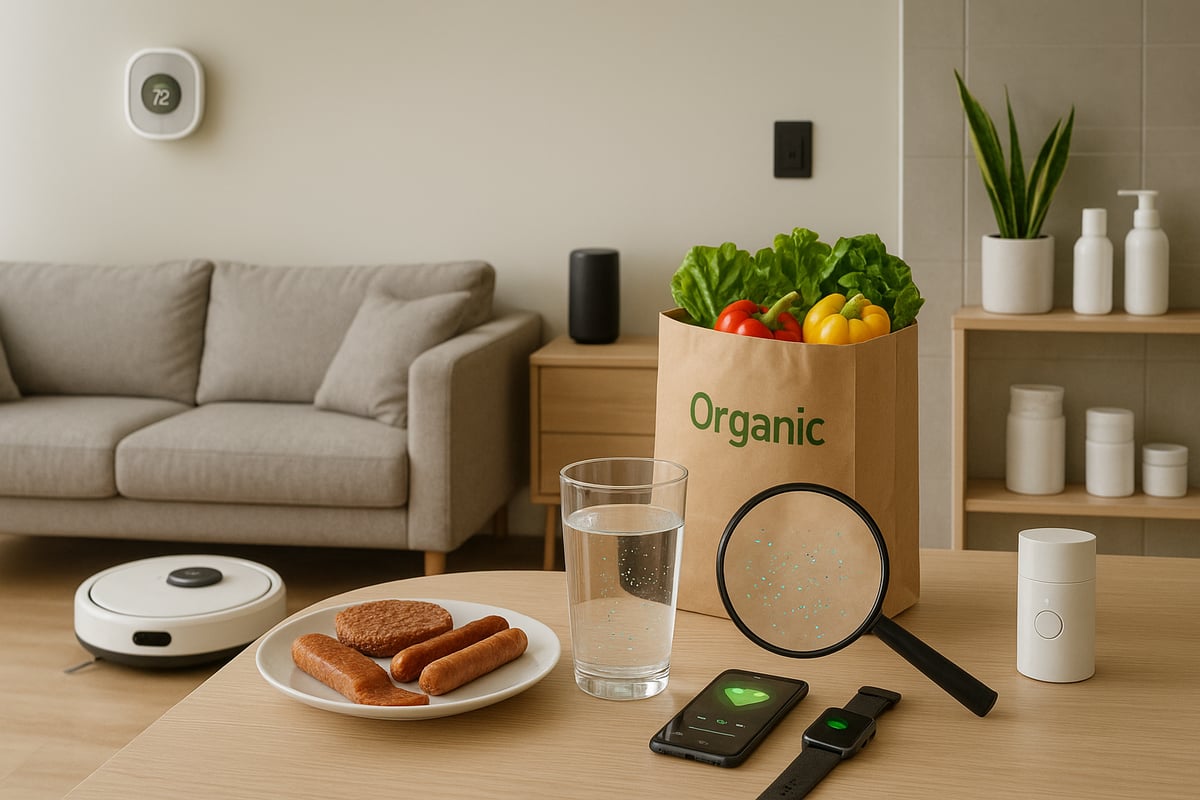
1. Smart Home Devices and Indoor Air Quality
Smart home devices have become fixtures in households, from voice assistants to automated thermostats. While these gadgets offer convenience, they can also be unexpected contributors to toxins in your body. Many smart devices contain plastics and flame retardants that off-gas volatile organic compounds (VOCs) during operation.
Research shows that the cumulative effect of several devices in a single home can result in elevated VOC levels. For example, a family that installed multiple smart speakers and thermostats noticed a rise in indoor air-related symptoms, such as frequent headaches and respiratory irritation. These symptoms often trace back to toxins in your body that originate from exposure to chemicals released by electronics.
Statistics from indoor air studies in 2026 reveal that households with more than five smart devices report a 30% increase in complaints of poor air quality. With the growing reliance on technology, the risks associated with these products are rising.
To minimize exposure to toxins in your body, consider these strategies:
- Choose devices with low-emission certifications.
- Increase home ventilation, especially in areas with multiple electronics.
- Regularly clean device surfaces to reduce dust accumulation.
By being selective about which smart products you bring into your home and ensuring proper ventilation, you can cut down on the amount of toxins in your body from indoor air pollution.
2. Plant-Based Meat Alternatives and Food Additives
The popularity of plant-based meat alternatives has soared in recent years. While these products are often marketed as healthy and eco-friendly, they can also be a surprising source of toxins in your body. Many rely on novel additives, such as emulsifiers, colorants, and flavor enhancers, to mimic the taste and texture of animal meat.
Chemical residues from processing and flavoring agents may linger in finished products. Studies have found that certain synthetic additives used in plant-based meats can bioaccumulate, leading to higher levels of toxins in your body over time.
A common misconception is that all plant-based foods are natural and free from harmful ingredients. However, long-term health impacts of consuming synthetic additives are still being investigated. For example, one individual experienced digestive discomfort and allergic reactions linked to a specific plant-based burger. Switching to whole foods and minimally processed proteins led to a noticeable reduction in symptoms and potential toxin exposure.
Tips for reducing food-related toxins in your body:
- Read ingredient lists carefully and avoid products with lengthy, unfamiliar additives.
- Choose brands that prioritize clean, simple ingredients.
- Incorporate more whole, unprocessed plant foods into your diet.
Making informed choices at the grocery store can significantly lower the risk of accumulating toxins in your body from modern food innovations.
3. Personal Care Products with Nanotechnology
Nanotechnology has revolutionized the personal care industry. In 2026, sunscreens, lotions, and cosmetics increasingly contain nanoparticles designed for better absorption and appearance. However, these microscopic particles can penetrate the skin barrier, potentially entering the bloodstream and adding to the toxins in your body.
Titanium dioxide and zinc oxide nanoparticles are among the most common. Research indicates that these particles can persist in human tissues, with concerns about their long-term effects. Regulatory bodies are still catching up, and safety assessments of nanomaterials often lag behind product launches.
A 2026 survey found that over 60% of personal care items on store shelves use some form of nanotechnology. Daily routines, such as applying sunscreen and moisturizer, can lead to cumulative exposure. For example, a person using multiple nanotech products each day may unknowingly increase the amount of toxins in your body.
For a deeper understanding, see the Nanotechnology in cosmetics and skin health article, which explores how nanoparticles can affect skin penetration and potentially contribute to toxicity.
To reduce exposure to toxins in your body from personal care products:
- Look for products labeled “nano-free” or “non-nano.”
- Limit the number of products applied daily.
- Stay informed about ingredient safety and regulatory updates.
By scrutinizing your personal care routine, you can take concrete steps to limit the accumulation of toxins in your body from nanotechnology.
4. Drinking Water Contaminated by Microplastics
Microplastics have become a pervasive contaminant in municipal water supplies. These tiny plastic particles originate from synthetic clothing fibers, packaging waste, and inefficiencies in water treatment processes. As a result, microplastics are now a significant contributor to toxins in your body through daily water consumption.
Recent studies reveal that both tap and bottled water can contain measurable concentrations of microplastics. For instance, a 2026 analysis found that an average liter of tap water in urban areas contains up to 10 microplastic particles, each carrying additional chemicals that may leach out in the digestive tract.
The health implications of ingesting microplastics and their associated toxins in your body are still under investigation. However, early research suggests possible links to inflammation, oxidative stress, and biomarker changes in humans exposed to high levels.
To reduce the presence of toxins in your body from drinking water, consider these steps:
- Use advanced filtration systems specifically designed to capture microplastics.
- Avoid bottled water when possible, as it often contains higher microplastic levels.
- Regularly clean reusable water bottles to prevent plastic residue buildup.
A recent study linked microplastic presence in water to subtle shifts in human biomarkers, underscoring the importance of proactive filtration. Taking these precautions can help limit the intake of toxins in your body from an everyday necessity.
5. Residual Pesticides in Imported “Organic” Produce
Global supply chains have made organic produce more accessible, but they have also introduced new risks. Imported organic fruits and vegetables may contain residual pesticides, challenging the assumption that organic always means toxin-free. This can be a hidden source of toxins in your body, especially for those who consume large amounts of produce.
Testing in 2026 revealed that up to 18% of imported organic produce samples tested positive for pesticide residues. Loopholes and inconsistencies in international organic standards make it difficult to guarantee purity across borders.
Chronic, low-level exposure to pesticides can contribute to the buildup of toxins in your body over time. For example, a large-scale recall in 2026 involved imported organic apples found to contain banned pesticide residues, raising concerns among health-conscious consumers.
Ways to minimize pesticide-related toxins in your body:
- Buy local produce whenever possible, as smaller supply chains offer better traceability.
- Look for certifications from reputable organic standards organizations.
- Wash and peel fruits and vegetables thoroughly before eating.
By staying vigilant and choosing carefully sourced produce, you can reduce the risk of hidden toxins in your body, even when following an organic diet.
6. Wearable Technology and Heavy Metal Leaching
Wearable technology, such as fitness trackers, smartwatches, and medical sensors, is now a part of daily life. However, these devices can leach heavy metals like nickel and cadmium, which may be absorbed through the skin. Over time, this can increase the concentration of toxins in your body.
Research in 2026 has documented cases of allergic reactions and skin irritation linked to metal exposure from wearables. In some instances, prolonged contact has led to measurable increases in heavy metal accumulation. Manufacturing improvements are ongoing, but certain hazardous materials remain in circulation.
Statistics show that nearly 70% of adults regularly use at least one wearable device. Reports of dermatitis and metal allergies have risen alongside this trend, drawing attention to the need for safer alternatives.
Tips to reduce heavy metal toxins in your body from wearables:
- Select devices labeled hypoallergenic or certified safe for sensitive skin.
- Rotate devices to avoid prolonged contact in one area.
- Clean wearables regularly to remove sweat and skin oils.
A notable case involved a runner who developed persistent dermatitis after switching to a new smartwatch. After consulting with a dermatologist and switching to a hypoallergenic model, symptoms and potential exposure to toxins in your body were significantly reduced.
7. Household Cleaning Robots and Chemical Residues
Robotic vacuum cleaners and mop systems are now standard in many homes. These devices often use cleaning cartridges containing a variety of chemicals. While they promise convenience, they can also leave behind residues that contribute to toxins in your body, particularly for children and pets who spend time on the floor.
Research has found that some automated cleaning solutions release airborne and surface toxins, which can be inhaled or absorbed through the skin. In 2026, adoption rates for cleaning robots reached 55% of households, and incident reports about chemical sensitivities increased by 20%.
Young children and pets are especially vulnerable to toxins in your body from these residues, as they have more frequent contact with treated surfaces. For instance, a family noticed increased allergic reactions in their toddler after introducing a new robotic mop, which was traced back to the cleaning solution used.
To reduce chemical toxins in your body from cleaning robots:
- Opt for water-based or plant-derived cleaning solutions.
- Regularly clean and maintain robot reservoirs and pads.
- Allow floors to dry completely before use.
By choosing safer products and maintaining your devices, you can keep toxins in your body from cleaning robots to a minimum.
The Science of Toxin Accumulation in the Human Body
Understanding the science behind toxins in your body is essential for making informed health decisions. Every day, people encounter a complex mix of chemicals from air, food, water, and consumer products. These exposures, often invisible, can add up over time and influence well-being in subtle ways.
How Toxins Enter, Circulate, and Persist
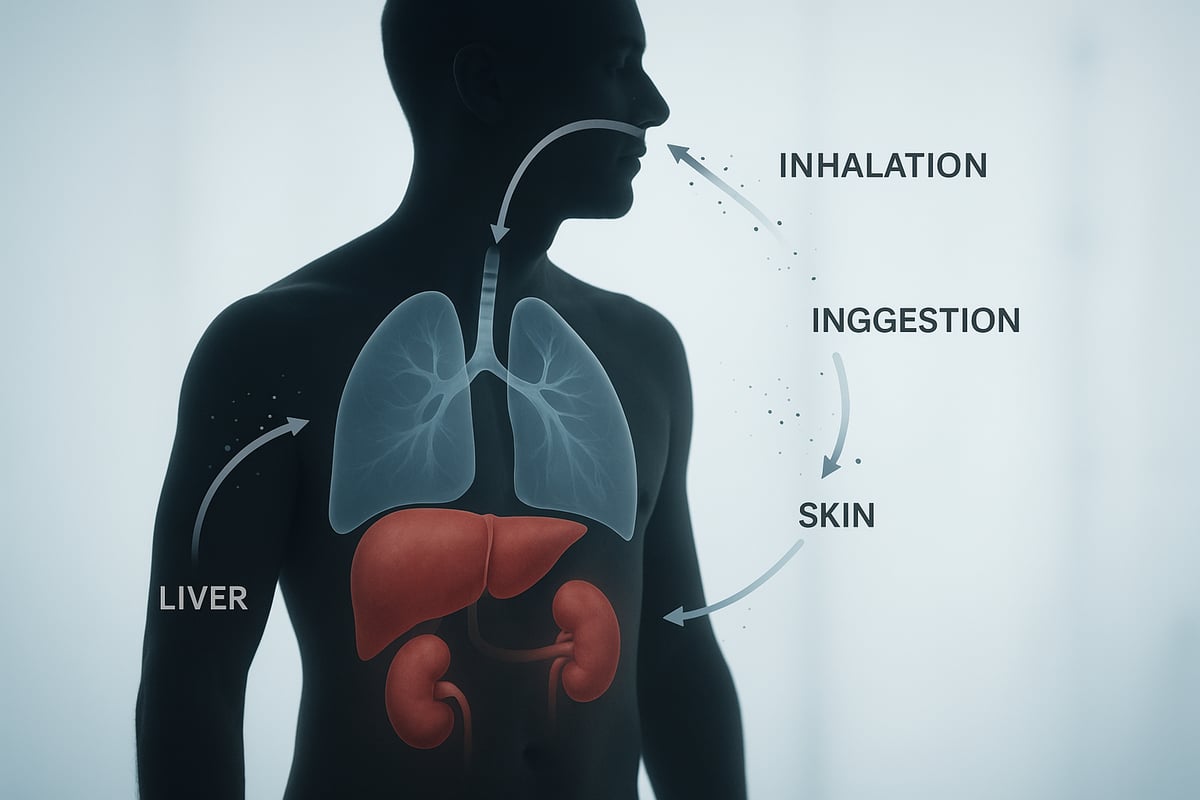
Toxins in your body can enter through three main routes: inhalation, ingestion, and skin absorption. Breathing polluted indoor or outdoor air introduces volatile organic compounds and particulates. Eating contaminated food or drinking water brings in pesticides, heavy metals, and microplastics. Even applying lotions or cosmetics allows nanoparticles or chemicals to penetrate the skin’s barrier.
Once inside, these substances move throughout the bloodstream, often reaching organs like the liver and kidneys. Some toxins in your body are quickly processed and eliminated, while others persist, accumulating in fatty tissues or bones. Their chemical properties, such as solubility and reactivity, influence how long they remain and where they settle.
The Body’s Natural Detoxification Systems
The human body has evolved sophisticated systems to manage toxins in your body. The liver acts as a primary filter, breaking down many chemicals into less harmful forms. The kidneys remove water-soluble toxins through urine, while the skin and lungs help eliminate certain compounds through sweat and breath.
However, not all toxins in your body are easily processed. Persistent organic pollutants and some heavy metals resist breakdown and can accumulate over months or years. Researchers have found that low-level, repeated exposures may overwhelm these natural defenses, especially when multiple chemicals are present at once.
Bioaccumulation and Synergistic Effects
Some toxins in your body are particularly stubborn. They build up in tissues over time, a process known as bioaccumulation. For example, studies have shown that microplastics, certain food additives, and heavy metals can persist in the body, sometimes combining in ways that amplify their effects.
Multiple low-level exposures may interact, producing health impacts greater than any single toxin alone. This phenomenon, called synergy, is a growing concern among scientists studying the long-term consequences of modern living. For a deeper look at these mechanisms, see Understanding toxin accumulation science.
Monitoring and Individual Susceptibility
Advances in biomonitoring now allow experts to measure toxins in your body with greater accuracy. Blood, urine, and even hair samples reveal the presence of various chemicals, from pesticides to nanoparticles. In 2026, large-scale studies show that most people carry a mixture of these substances, often without obvious symptoms.
Individual factors play a crucial role in how toxins in your body affect health. Genetics, age, diet, and lifestyle all influence vulnerability and the ability to detoxify. Emerging testing methods are making it easier to assess personal toxin loads and inform strategies for minimizing exposure. Staying informed and proactive is key to navigating the complex landscape of environmental health.
Proactive Strategies to Minimize Toxin Exposure in 2026
Modern life brings many benefits, but it also increases your contact with new and unexpected toxins in your body. Staying ahead requires practical, science-based steps. Even small changes at home, in your diet, and with daily habits can make a real difference.

Clean Up Your Indoor Environment
Indoor air often contains more toxins in your body than outdoor air due to modern products and electronics. Start by improving ventilation. Open windows when possible and use HEPA air purifiers to reduce pollutants from smart devices, cleaning products, and furniture.
Choose cleaning solutions with simple, recognizable ingredients. Maintain robotic cleaners by washing their parts often, and opt for fragrance-free or plant-based cartridges. Regular dusting and vacuuming with a HEPA filter also help minimize microplastics and chemical residues.
Make Smarter Food Choices
Diet is a key pathway for toxins in your body. Diversify meals with plenty of fresh, whole foods. Limit processed and ultra-processed foods, which often contain additives and synthetic ingredients that can accumulate over time.
Wash all produce thoroughly, and when possible, buy locally grown fruits and vegetables with transparent sourcing. For extra protection, consult guides on detox foods for body cleansing to support your efforts with proven foods that help reduce toxin load.
Choose Safer Products and Read Labels
Personal care and household products are frequent sources of toxins in your body. Read ingredient lists carefully, looking for items free from parabens, phthalates, and unnecessary fragrances. Opt for certified-safe products, especially when buying items like sunscreens, lotions, or cleaning agents.
For wearable devices, select hypoallergenic options and avoid those with known heavy metal risks. To learn more about reducing specific exposures, review heavy metal detox strategies for practical approaches.
Support Your Body’s Natural Defenses
Your body naturally works to remove toxins in your body, but healthy habits can help. Stay hydrated, get enough sleep, and move daily to support your liver, kidneys, and lymphatic system.
Practice deep breathing and spend time outdoors to promote circulation and relaxation. Regularly review your environment and routines, making small adjustments as new research emerges.
Table: Quick Tips for Reducing Toxins in Your Body
| Area | Action Step | Benefit |
|---|---|---|
| Indoor Air | Use HEPA filters, ventilate, minimize VOCs | Fewer airborne toxins |
| Food | Eat whole foods, wash produce | Lower additive and residue intake |
| Products | Check labels, choose certified-safe items | Reduced chemical exposure |
| Lifestyle | Hydrate, sleep, exercise | Enhanced detoxification |
Taking these steps empowers you to minimize toxins in your body despite the rise of hidden contaminants in 2026. Consistent, informed choices are key to long-term well-being.
As we navigate the complexities of modern life in 2026, it is clear that hidden toxins can come from places we might never expect—from smart devices to plant-based foods and even our most trusted household products. Taking control of your health starts with awareness, but it’s just as important to have the right tools to support your body’s natural detox processes. If you’re interested in learning how zeolite can help remove heavy metals and other toxins, I invite you to Download Your Free Zeolite Detox Guide for up-to-date research and practical tips you can trust.