
In 2026, over 70% of adults have explored new wellness trends, with detox and diet plans leading the way. Growing worries about toxin exposure from processed foods and persistent fatigue are fueling this movement.
A structured detox and diet approach offers a practical path to renewed energy, stronger immunity, and overall vitality. This article delivers a step-by-step, science-based guide to help you safely and effectively navigate detox and diet strategies in 2026.
You will learn about the fundamentals of detoxification, discover the latest dietary trends, and gain practical tools for planning, essential foods, supplements, and sustainable wellness tips.
Understanding Detoxification in 2026
As we enter 2026, understanding detoxification is more important than ever. The focus on detox and diet has grown as people look for effective ways to support their health in a world filled with new environmental and lifestyle challenges.
The Science Behind Detoxification
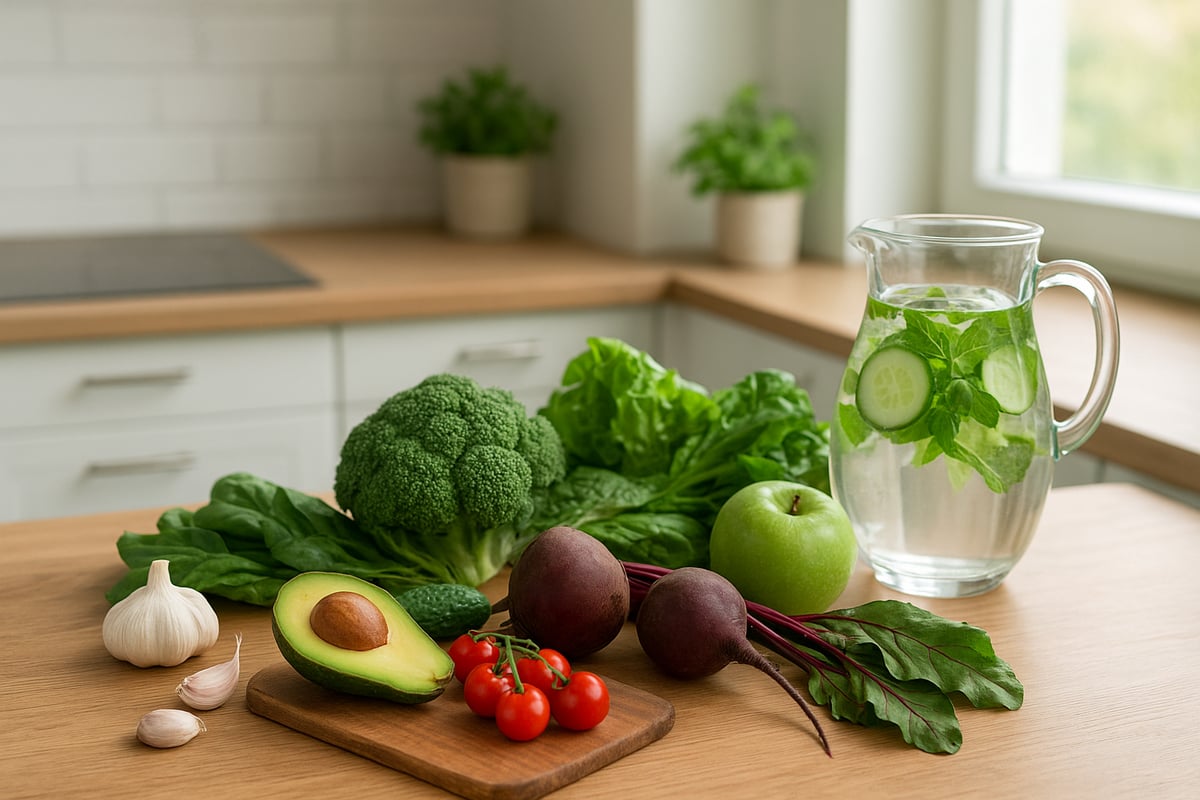
Detoxification is the body’s natural process of removing toxins through organs like the liver, kidneys, skin, and lungs. In 2026, exposure to environmental pollutants, food additives, and heavy metals remains a concern. Toxins can build up and contribute to oxidative stress and inflammation, which are linked to chronic health issues.
The World Health Organization reports that global toxin exposure rates are rising, especially in urban environments. Fortunately, the body is equipped with complex systems to manage these challenges. For a deeper look at how natural processes support detox and diet goals, see Natural Detoxification Explained.
Myths vs. Facts: What Detox Can and Cannot Do
Many believe that a detox and diet plan can quickly erase years of unhealthy habits. However, scientific research shows that most short-term cleanses do not offer lasting benefits. The body does not need extreme interventions to detoxify, and most toxins are processed continuously.
Clinical trials suggest that while some detox diets may improve certain markers briefly, sustainable lifestyle changes are more effective. Understanding the difference between a quick cleanse and a true detox and diet strategy is essential for safe, long-term results.
New Research and Trends in Detox
Recent studies highlight the gut microbiome’s key role in detox and diet effectiveness. A balanced gut can support toxin elimination. In 2026, digital detox—reducing screen time—is gaining recognition as part of a holistic wellness approach.
Urbanization introduces new chemicals and microplastics into our lives, making detox and diet practices more relevant. Research on microplastics in food and water continues to shape recommendations for minimizing exposure and supporting overall health.
Assessing Your Personal Detox Needs
Recognizing when you need a detox and diet reset can be challenging. Common signs include persistent fatigue, headaches, and skin problems. Evaluating your daily habits and environmental exposures helps determine your personal needs.
Self-assessment tools and digital trackers available in 2026 make it easier to monitor symptoms and exposures. Consulting with healthcare professionals before starting any detox and diet plan ensures your safety and helps tailor the approach to your unique situation.
Safety Considerations and Risks
Extreme detox and diet regimens, such as prolonged fasting or unsupervised cleanses, can be risky. Symptoms of nutrient deficiency, such as dizziness or weakness, should not be ignored. Safe detox protocols have clear guidelines on duration and frequency.
Recent data show that adverse effects are more common with unsupervised or poorly planned detox and diet programs. Always prioritize safety, listen to your body, and seek professional guidance when needed.
The Foundations of an Effective Detox Diet
A strong foundation is essential for any detox and diet plan to be effective and safe. In 2026, new research and dietary guidelines highlight the importance of choosing whole foods, staying hydrated, and being mindful of what you avoid. Understanding these core principles helps you make informed decisions and sets you up for long-term wellness.
Key Principles of a Detox Diet
The most effective detox and diet strategies rely on a few core principles. First, prioritize whole, minimally processed foods that nourish your body and support natural detoxification. Fresh fruits, vegetables, lean proteins, and healthy fats should form the base of your daily meals.
Hydration is another critical aspect. Drinking enough water helps flush toxins and keeps your organs working efficiently. Fiber-rich foods like oats, beans, and greens also promote healthy digestion and elimination.
Reducing sugar, alcohol, and processed fats is vital in any detox and diet routine. These substances can burden your body and hinder the detoxification process. According to the Harvard School of Public Health, making these simple changes can significantly boost your overall health and energy.
Essential Foods for Detoxification
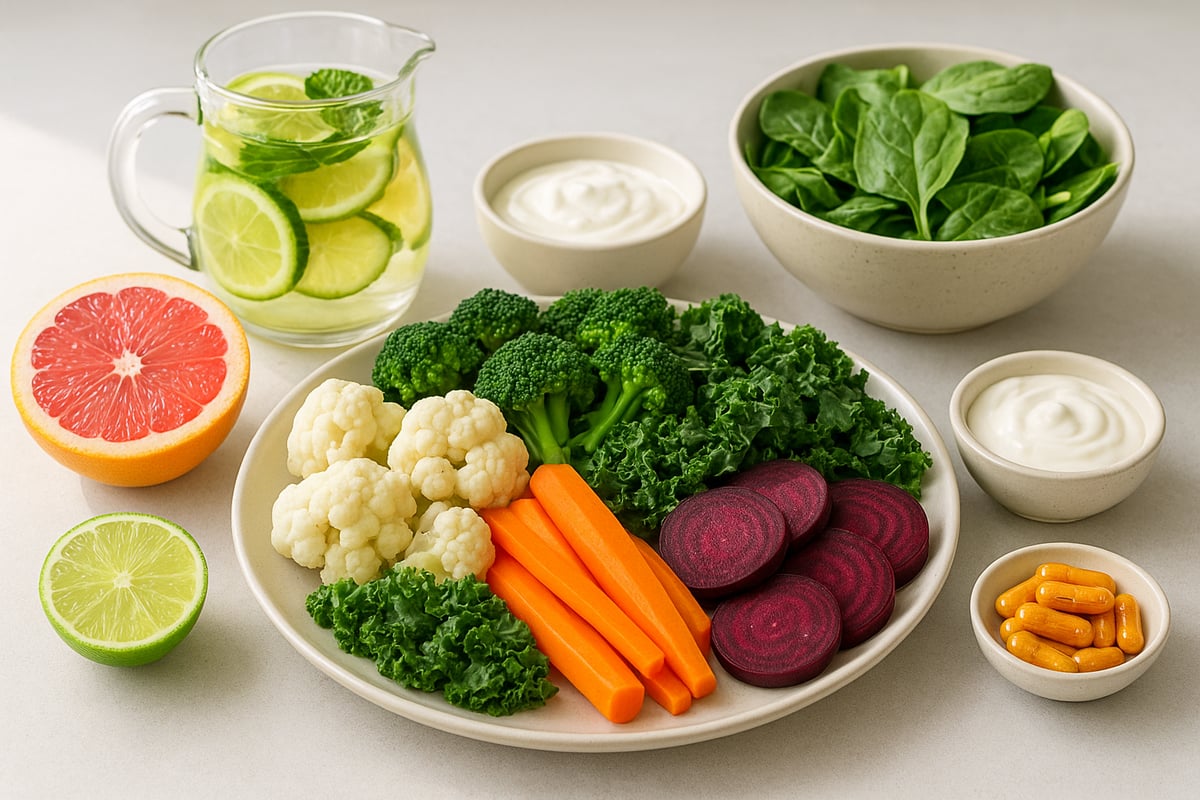
Choosing the right foods is central to an effective detox and diet. Cruciferous vegetables such as broccoli, cauliflower, and Brussels sprouts are packed with antioxidants and support liver health. Berries and citrus fruits provide vitamin C, which aids in neutralizing toxins.
Leafy greens like spinach and kale supply fiber and vital nutrients. For targeted liver support, include garlic, turmeric, and beets in your meals. Probiotic-rich foods such as yogurt, kimchi, and kefir help balance your gut microbiome and improve your body's detox capacity.
For a detailed list of the most effective foods, check out the Best Foods to Detox Body, which highlights top choices for your detox and diet plan in 2026.
Foods and Ingredients to Avoid
An effective detox and diet plan not only emphasizes what to eat but also what to avoid. Processed meats, refined sugars, and artificial additives can introduce unwanted toxins and disrupt your body's balance. High-mercury fish, such as swordfish and king mackerel, pose additional risks due to their heavy metal content.
Emerging concerns in 2026 include ultra-processed plant-based products, which may contain additives and preservatives that counteract your wellness goals. Stay informed about FDA alerts on food contaminants and always read ingredient labels.
By steering clear of these foods, you help your detox and diet efforts deliver better results and protect your long-term health.
The Role of Supplements and Natural Aids
Supplements can support your detox and diet when used wisely. Popular options include milk thistle for liver health, activated charcoal to bind certain toxins, and zeolite for heavy metal removal. However, not all supplements are created equal.
Choose high-quality, lab-tested products to ensure safety and effectiveness. Be cautious of unregulated or unproven supplements, as they may do more harm than good. Evidence for many detox supplements is still emerging, so consult a healthcare professional before adding them to your regimen.
Integrating the right supplements can be a valuable part of your detox and diet, but always prioritize food and hydration as the foundation.
Hydration and Its Critical Role
Water is a cornerstone of any successful detox and diet. Adequate hydration enables your kidneys to filter waste and helps every cell function optimally. Aim to drink water consistently throughout the day, adjusting for your activity level and environment.
Herbal teas and infused waters with lemon, cucumber, or mint can make hydration more enjoyable and offer additional health benefits. Research shows that proper hydration supports kidney health and aids in the removal of toxins.
By making hydration a daily habit, you strengthen the effectiveness of your detox and diet and promote lasting wellness.
Step-by-Step Detox and Diet Planning for 2026
Embarking on a successful detox and diet journey in 2026 requires a structured, evidence-informed approach. By following these stepwise strategies, you can maximize benefits while minimizing risks. Each step is designed to support your body’s natural processes and help you achieve sustainable wellness.
Step 1: Preparation and Goal Setting
The foundation of any effective detox and diet plan is thoughtful preparation. Begin by assessing your current habits, readiness, and motivation. Consider what you want to achieve, whether it’s increased energy, improved digestion, or overall wellness.
Set SMART goals: Specific, Measurable, Achievable, Relevant, and Time-bound. For example, aim to increase your daily vegetable intake or reduce processed foods over two weeks. Anticipate potential challenges, such as busy schedules or social events, and plan solutions in advance.
Having clear intentions helps you stay focused and track your progress. Establishing a positive mindset at this stage will set the tone for your entire detox and diet experience.
Step 2: Gradual Dietary Transition
Transitioning into a detox and diet routine should be gradual rather than abrupt. Start by phasing out highly processed foods and introducing more whole, nutrient-dense options. Reduce intake of caffeine, sugar, and alcohol slowly to avoid withdrawal symptoms.
A practical approach is to follow a 7-day transition meal plan. Each day, swap one processed item for a healthier alternative. For instance, replace sugary snacks with fresh fruit or choose whole grains over refined ones.
This stepwise shift allows your body to adapt, making the detox and diet process smoother and more sustainable. Over time, these new habits become the building blocks of lasting wellness.
Step 3: Implementing the Detox Diet
Once you’ve transitioned, it’s time to start your structured detox and diet phase. Typically, this involves a 7- to 14-day meal plan focused on balance and variety. Prioritize whole foods, lean proteins, healthy fats, and plenty of fiber.
Consider this sample outline:
- Day 1–3: Emphasize leafy greens, berries, and legumes.
- Day 4–7: Add cruciferous vegetables, citrus fruits, and seeds.
- Day 8–14: Incorporate probiotic-rich foods like yogurt and kimchi.
Balance macronutrients to maintain energy and micronutrients to support immunity. Rotating foods keeps meals interesting and helps you stick to your detox and diet plan.
Step 4: Supporting Detox with Lifestyle Changes
A holistic detox and diet approach extends beyond nutrition. Prioritize sleep, with 7–9 hours nightly, to aid recovery. Incorporate regular physical activity, such as brisk walking or yoga, to boost circulation and lymphatic flow.
Mindful practices like meditation and deep breathing can reduce stress, which is crucial for detoxification. Additionally, limit exposure to household chemicals by choosing natural cleaning products and improving indoor air quality.
These lifestyle adjustments work synergistically with your detox and diet, enhancing results and supporting your overall well-being.
Step 5: Monitoring Progress and Adjustments
Track your progress throughout the detox and diet process. Use wellness apps or a journal to note changes in energy, mood, and physical symptoms. This data helps you recognize patterns and make informed adjustments.
If you experience persistent fatigue or discomfort, consider modifying your plan. Sometimes, reducing the intensity or duration of the detox phase is necessary. Always listen to your body and seek professional guidance if symptoms persist.
Regular monitoring ensures your detox and diet remains safe, effective, and tailored to your individual needs.
Step 6: Reintroducing Foods and Long-Term Maintenance
After completing your primary detox and diet phase, gradually reintroduce foods one at a time. This helps identify sensitivities and promotes mindful eating. Start with simple, unprocessed options before adding more complex foods.
Maintain a balanced approach by focusing on variety, moderation, and nutrient density. Create a maintenance meal plan that includes your favorite healthy dishes, ensuring you don’t revert to old habits.
Long-term success with detox and diet relies on consistency, flexibility, and ongoing self-reflection.
Step 7: Addressing Common Challenges and Plateaus
It’s natural to encounter obstacles during your detox and diet journey. Cravings, social pressures, or motivation dips can arise. Combat these by preparing healthy snacks, setting boundaries at events, and reminding yourself of your goals.
Engage with online forums, community groups, or an accountability partner for support. Sharing experiences and solutions can help you overcome setbacks and stay on track.
Remember, plateaus are part of the process. Adjust your detox and diet plan as needed and celebrate your progress, no matter how small.
Zeolite-Based Detox: Science and Guidance from Zeotox
Zeolite, particularly the clinoptilolite form, has gained attention as a natural aid in detox and diet protocols. Its unique structure allows it to bind certain heavy metals and toxins in the digestive tract, supporting the body’s elimination processes.
Current research highlights the importance of using high-purity, lab-tested zeolite supplements for safety and efficacy. When exploring zeolite options, turn to expert guidance and product reviews, such as those found in the Detox Diet and Lifestyle Tips category, which offers practical advice on safe supplementation.
As with any addition to your detox and diet, consult a healthcare professional before starting zeolite, especially if you have existing health conditions.
Integrating Detox with Modern Dietary Trends
Adapting detox and diet strategies to match the latest nutritional trends is essential for achieving long-term wellness in 2026. Individuals now have more choices than ever, with options ranging from plant-based regimens to tech-enabled tracking. By understanding how these trends intersect with detoxification, you can create a personalized approach that supports your body and lifestyle.
Plant-Based and Flexitarian Approaches
Plant-based and flexitarian diets have gained significant momentum in the detox and diet space by 2026. These approaches emphasize whole plant foods, limiting animal products to reduce toxin exposure and support digestive health. Research suggests plant-based eating can decrease intake of environmental contaminants such as heavy metals and pesticides. However, it is important to plan meals carefully to avoid nutrient gaps, especially in strict vegan detox and diet plans.
Many individuals opt for a flexitarian model, allowing occasional animal products for balance. For those interested in targeted toxin removal, resources like the Heavy Metal Detox Diet Guide offer practical advice for plant-focused detoxification. Always ensure a variety of colorful produce and adequate protein to support optimal results.
Intermittent Fasting and Time-Restricted Eating
Intermittent fasting and time-restricted eating are increasingly popular as complements to detox and diet routines. These protocols cycle between periods of eating and fasting, which may promote cellular repair and support the body’s natural detoxification systems. Popular schedules in 2026 include 16:8 (16 hours fasting, 8 hours eating) and alternate-day fasting.
Although many people report improved energy and metabolic health, scientific reviews have found that the overall effectiveness of detox diets remains mixed. For a balanced perspective on benefits and limitations, consider reading this critical review of detox diets. Always approach fasting with care, especially if you have underlying health conditions.
Personalized Nutrition and Genetic Testing
Personalized nutrition is transforming how people approach detox and diet in 2026. Advances in nutrigenomics allow individuals to tailor their eating patterns based on genetic markers, optimizing detoxification pathways unique to their DNA. Home DNA test kits are now widely available, providing insights into how efficiently your body processes toxins and which nutrients may enhance your detox and diet plan.
This level of customization can help identify food sensitivities, metabolic strengths, and potential risks. As the market for personalized nutrition grows, more people are leveraging science to make informed decisions about their wellness journey.
Gut Health and Microbiome-Focused Detox
A healthy gut microbiome is central to effective detox and diet strategies. The trillions of microbes in your digestive tract play a vital role in breaking down food, neutralizing toxins, and supporting immune function. Foods rich in fiber, prebiotics, and probiotics, such as yogurt, kimchi, and leafy greens, help cultivate a balanced gut environment.
Recent research highlights the connection between gut health and toxin elimination, suggesting that microbiome-focused detox plans may offer added benefits. Including fermented foods and limiting processed ingredients can make a noticeable difference in your detox and diet outcomes.
Technology-Enabled Detox Tracking
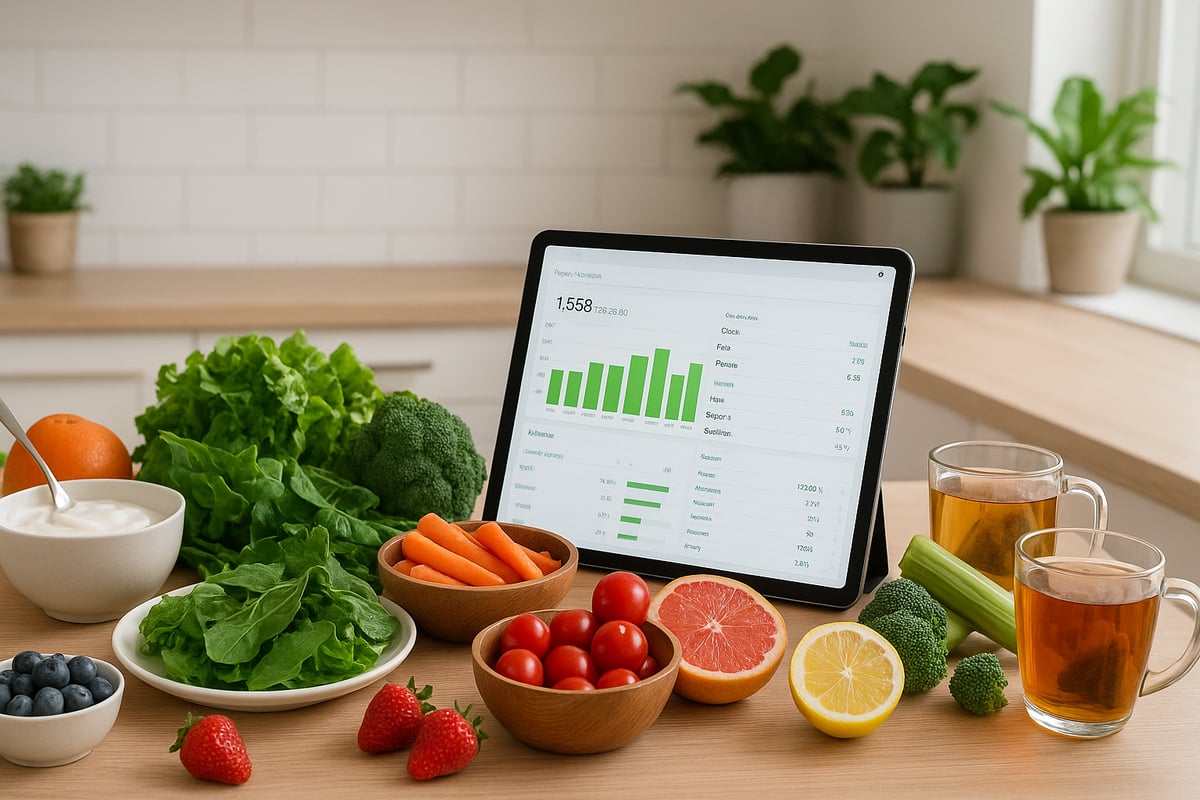
Technology is revolutionizing how people monitor their detox and diet progress. In 2026, wearable devices and advanced apps provide real-time feedback on hydration, nutrient intake, and physical activity. These tools empower users to set goals, track symptoms, and adjust plans for continuous improvement.
Data-driven insights help identify what works best for your individual needs, making it easier to stay motivated and accountable. By integrating technology, you can optimize your detox and diet journey for sustained wellness long after your initial plan ends.
Evidence-Based Tips for Lasting Wellness
Building lasting wellness after a detox and diet journey requires more than short-term changes. It means developing habits that support your health for the long run. Small, consistent actions build the foundation for lasting results.
Building Sustainable Habits Post-Detox
Transitioning from a detox and diet plan to everyday life is a critical step. Focus on making healthy choices automatic by establishing routines. For example, plan weekly meals, keep nutrient-rich snacks on hand, and set reminders to stay hydrated.
Behavioral psychology shows that habits stick when they are easy, obvious, and rewarding. Start with small goals, like adding an extra serving of vegetables each day. Over time, these small wins create momentum and help prevent old patterns from returning.
Mind-Body Connection and Holistic Wellness
Wellness is not just about what you eat. Integrating mind-body practices into your detox and diet routine can amplify benefits. Mindfulness, meditation, and deep breathing exercises reduce stress and support the body's natural repair processes.
Research suggests that practices like yoga and meditation can lower inflammation and improve overall mood. Try setting aside a few minutes daily for mindfulness. This blend of physical and emotional care helps maintain the positive changes started by your detox and diet plan.
Social and Environmental Influences on Detox Success
Your environment and relationships play a powerful role in the success of any detox and diet effort. Surround yourself with supportive people who encourage your goals. Share your progress with friends or join a wellness community for accountability.
At home and work, keep healthy foods visible and minimize temptations. If possible, involve your family or coworkers in your wellness journey. Social support often makes the difference between short-term and lasting change in your detox and diet experience.
Recognizing When to Seek Professional Guidance
Sometimes, questions or concerns arise during or after a detox and diet plan. If you experience persistent symptoms, uncertainty about nutrition, or underlying health conditions, consult a qualified professional. Registered dietitians, nutritionists, and healthcare providers can tailor guidance to your needs.
For a deeper understanding of safe approaches, review reputable resources such as Harvard Health on detox practices. Their insights can help you avoid common pitfalls and adopt evidence-based strategies.
Staying Informed: Trends and Research Updates
Staying updated on nutrition science and wellness trends is vital for making informed choices about detox and diet strategies. Subscribe to trusted journals, websites, or newsletters for the latest research and expert opinions.
As the wellness landscape evolves, being proactive helps you adapt your detox and diet approach. Reliable information empowers you to refine habits, try new methods, and maintain long-term health.
As you explore new wellness trends and learn how to safely detox in 2026, it’s important to have access to credible, science-backed resources. If you’re ready to take the next step in your journey, I recommend diving deeper into the latest research on zeolite detoxification—especially for tackling heavy metals like lead, mercury, and cadmium. We all benefit from clear, actionable guidance, and Zeotox is committed to empowering you with up-to-date knowledge and practical tips. To help you make informed decisions about your health, you can Download Your Free Zeolite Detox Guide and start your path to lasting wellness today.