
Every year, new studies reveal just how much our daily lives expose us to harmful substances. In 2026, concerns about toxins from your body are more urgent than ever, with pollution, synthetic chemicals, and hidden contaminants on the rise.
This guide cuts through the confusion by explaining what toxins are, how they impact your health, and which strategies truly help reduce your toxic load. You will discover modern sources of exposure, how the body responds, proven detox methods, and the role of diet and lifestyle.
Ready to take charge of your well-being? Read on for practical steps to support lasting vitality and resilience.
Understanding Toxins: What Are They and Where Do They Come From?
Toxins from your body are a topic gaining more attention in 2026 as modern life introduces new and persistent exposures. But what exactly are toxins, and why is it so important to understand their origins? Defining toxins from your body starts with recognizing that these substances can be either natural, like certain plant compounds or bacterial byproducts, or synthetic, such as chemicals created for industrial or consumer use. Exposure can be acute, resulting from a single high-dose event, or chronic, involving repeated low-level contact over time.
Types and Sources of Toxins
Toxins from your body come from a wide array of sources. Some are present in the environment, including air pollution from vehicles and factories. Others enter through the food supply, like additives, colorings, and pesticide residues on produce. Common household products, such as cleaning agents, air fresheners, and personal care items, also contribute to indoor chemical exposure. Heavy metals like lead, mercury, and arsenic are found in water, soil, and certain foods, while plastics can leach chemicals like BPA and phthalates into bottled drinks or food containers.
Here is a table summarizing typical toxin sources:
| Source | Example Toxins | Common Exposure Pathways |
|---|---|---|
| Air Pollution | Particulates, ozone | Inhalation |
| Food Additives | Preservatives, dyes | Ingestion |
| Pesticides | Organophosphates | Ingestion, skin |
| Household Products | VOCs, ammonia | Inhalation, skin |
| Heavy Metals | Lead, mercury | Ingestion, inhalation |
| Plastics | BPA, phthalates | Ingestion, skin |
Emerging Contaminants in 2026
Beyond well-known threats, new contaminants are emerging in 2026 that add to the toxins from your body. Microplastics, tiny plastic fragments found in water, air, and food, are now detected in human tissues. PFAS, sometimes called "forever chemicals," are used in nonstick cookware, waterproof clothing, and firefighting foam and persist in the environment for decades. Industrial innovation also brings new chemicals, some of which have not been thoroughly evaluated for health effects, making it harder to predict their impact on toxins from your body.
How Toxins Enter and Accumulate
Toxins from your body can enter through several pathways: inhalation of polluted air, ingestion of contaminated food or water, or absorption through the skin from personal care products or household cleaners. Once inside, some toxins are quickly broken down and eliminated, while others tend to accumulate. This process, called bioaccumulation, means that even small exposures can add up over months or years, especially for persistent chemicals like heavy metals and certain industrial compounds.
Notable Statistics and Real-Life Examples
The scale of exposure to toxins from your body is significant. According to the CDC’s National Report on Human Exposure to Environmental Chemicals, measurable levels of hundreds of environmental chemicals are found in the blood and urine of most people in the United States. The World Health Organization reports that millions are exposed to unsafe levels of lead in drinking water, while mercury contamination remains a concern in seafood globally. BPA, a component of some plastics, is detected in over 90% of tested populations, highlighting the widespread nature of these toxins.
Consider a few real-life examples: lead leaching from aging water pipes has caused crises in major cities, mercury accumulates in large fish like tuna, and BPA migrates from plastic packaging into food and beverages. These incidents illustrate how toxins from your body are often invisible but can have lasting health effects.
The First Step: Understanding Sources
Recognizing where toxins from your body originate is the essential first step toward reducing exposure and supporting detoxification. By identifying sources—both old and new—you gain the power to make informed choices and protect your long-term wellbeing. This foundational knowledge sets the stage for effective strategies to minimize your toxic load and promote a healthier future.

How Toxins Affect Your Body: The Science Behind Toxic Load
Understanding how toxins from your body accumulate and impact health is crucial in today’s environment. The term "toxic load" refers to the total amount of toxins from your body that have built up over time. This burden can come from various sources, and your body’s ability to process and remove these substances depends on several factors, including genetics, environment, and lifestyle.
Key Organs Impacted by Toxins
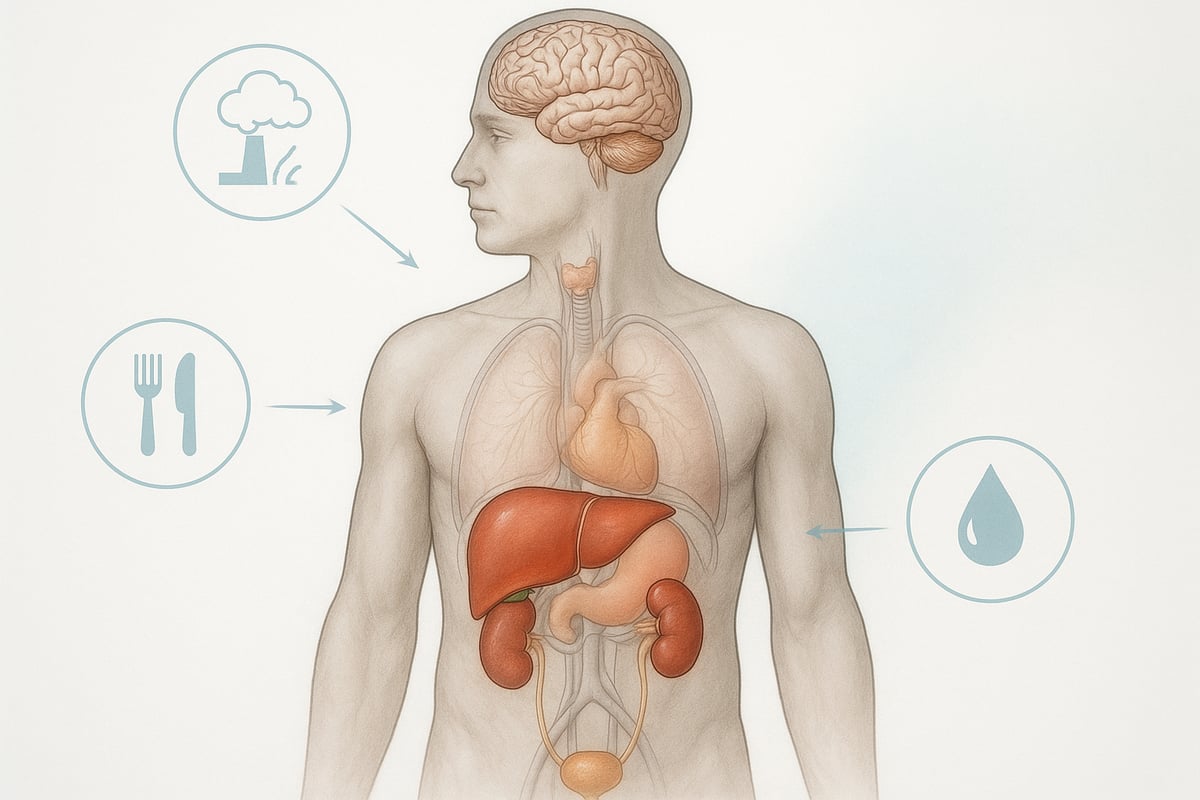
Your body relies on several organs to process and eliminate toxins from your body. The liver acts as a primary filter, breaking down substances for removal. Kidneys excrete water-soluble toxins, while the brain and endocrine system are particularly sensitive to chemical exposures.
Here’s a summary of how each organ is affected:
| Organ | Role in Detoxification | Common Impacts of Toxic Load |
|---|---|---|
| Liver | Metabolizes chemicals | Fatigue, liver stress |
| Kidneys | Filters blood, excretes waste | Impaired filtration, inflammation |
| Brain | Regulates nervous system | Headaches, cognitive issues |
| Endocrine | Hormone production | Hormonal imbalance |
Short-term exposure to toxins from your body can result in symptoms like headaches, fatigue, or mild digestive issues. Over time, chronic exposure may contribute to more serious outcomes, such as hormonal disruption, immune suppression, and increased risk for metabolic or autoimmune disorders.
Vulnerable Populations and Real-World Impacts
Certain groups are more susceptible to the effects of toxins from your body. Children, pregnant women, and the elderly have reduced detoxification capacity or are developing critical systems, making them more vulnerable. For instance, heavy metal exposure, such as mercury, can have profound neurological effects, especially in children and expectant mothers.
Recent statistics highlight the growing concern. According to EPA’s Biomonitoring Data on Mercury, a measurable percentage of women of child-bearing age in the United States show detectable levels of mercury, underscoring the widespread nature of environmental exposure.
Autoimmune and metabolic conditions linked to toxins from your body are on the rise globally. The World Health Organization has observed an increase in toxin-related chronic diseases, further emphasizing the importance of understanding your individual risk and exposure.
The Science: How Toxins Disrupt Cellular Function
Toxins from your body can interfere with cellular processes in several ways. Some disrupt enzyme activity, while others damage cell membranes or interfere with DNA repair. Heavy metals, for example, are known to accumulate in neural tissues, potentially leading to cognitive decline or developmental issues.
There is significant individual variability in how toxins from your body are processed. Genetics, age, nutritional status, and overall health play a role in determining your sensitivity and resilience. Recognizing these differences is key to developing effective, personalized strategies for reducing toxic load.
Understanding the science behind toxins from your body empowers you to make informed choices and take proactive steps to protect your health.
Proven Strategies to Reduce Toxin Exposure (2026 Edition)
Reducing toxins from your body is a practical journey that begins with small, consistent steps. In 2026, new research and technology offer more ways than ever to minimize daily exposures and support your body’s natural defenses. By focusing on your environment, nutrition, and habits, you can make meaningful changes to your toxic load.

Identifying and Minimizing Everyday Exposures
Your home and daily environment are major sources of toxins from your body. Everyday products may contain chemicals like phthalates, VOCs, or microplastics that add to your toxic load. Start by reading product labels closely and choosing fragrance-free or natural alternatives whenever possible.
Simple changes can make a real difference:
- Switch to plant-based cleaning products and avoid aerosol sprays.
- Use glass or stainless steel containers instead of plastic for food storage.
- Open windows regularly to improve ventilation.
- Invest in water filters to reduce contaminants like lead or chlorine.
- Consider HEPA air purifiers to trap airborne particles.
A recent focus on indoor air quality shows that making these adjustments can lower the toxins from your body significantly. For more practical tips, visit home detoxification tips and guidance, which offers actionable advice for creating a cleaner living space.
By minimizing household exposures and staying informed about new contaminants, you take the first step toward reducing your body’s toxin burden.
Dietary Choices for Detox Support
The foods you eat play a powerful role in clearing toxins from your body. Prioritize a variety of colorful fruits and vegetables, especially cruciferous options like broccoli, kale, and Brussels sprouts. These foods contain compounds that help the liver process and eliminate toxins from your body.
Consider these nutrition strategies:
- Drink plenty of filtered water to support kidney function.
- Add fiber-rich foods like oats, beans, and flaxseed to bind toxins in the digestive tract.
- Choose organic produce when possible to limit pesticide exposure.
- Limit processed foods and reduce consumption of artificial additives.
The Mediterranean diet, rich in olive oil, fish, whole grains, and fresh produce, is linked to lower toxic load and improved overall wellness. Studies show that switching to an organic, whole-food diet can reduce certain pesticide residues and other toxins from your body within weeks.
By making thoughtful food choices, you actively support your natural detoxification systems every day.
Lifestyle Habits That Promote Detoxification
Daily habits have a significant impact on how effectively your body removes toxins from your body. Prioritize quality sleep, as the body’s repair and detox processes are most active at night. Regular exercise, such as brisk walking or cycling, stimulates circulation and helps flush toxins from your body through sweat.
Incorporate these habits for added support:
- Use saunas or steam rooms to encourage sweating.
- Practice yoga, meditation, or deep breathing to manage stress, which can otherwise hinder detox pathways.
- Spend time outdoors in nature to reduce stress and exposure to indoor pollutants.
Research demonstrates that sauna sessions can increase the excretion of certain toxins from your body, while mind-body practices help regulate hormones and immune responses. By weaving these habits into your routine, you create a sustainable foundation for long-term detoxification and resilience.
Science-Backed Detox Methods: What Works and What Doesn’t
Detoxification is a natural biological process, yet the modern world brings new challenges. Many people seek the best way to remove toxins from your body, but not all methods are created equal. Understanding which approaches are supported by science can help you make informed decisions and avoid unnecessary risks.

Natural Detoxification Pathways: Supporting the Body’s Own Systems
Your body is equipped with intricate systems designed to process and eliminate toxins from your body every day. The liver, kidneys, lymphatic system, gut, and skin all play essential roles. These organs work together to neutralize, filter, and expel harmful substances.
Supporting these natural pathways does not require extreme interventions. Instead, focus on habits that enhance your body’s efficiency:
- Hydration: Drinking enough water aids the kidneys in filtering waste.
- Fiber-rich diet: Fiber binds to toxins in your digestive tract, supporting elimination.
- Physical activity: Movement stimulates the lymphatic system and promotes sweating.
- Balanced sleep: Rest allows your organs to regenerate and process toxins from your body.
Scientific studies show that intermittent fasting and consistent fiber intake can upregulate detoxification enzymes and promote regular elimination. Rather than seeking drastic cleanses, daily choices that nurture your body’s built-in mechanisms are most effective for maintaining a healthy balance and reducing toxins from your body over time.
Evaluating Popular Detox Protocols
With so many detox trends circulating, it is essential to distinguish between science-backed strategies and those lacking evidence. Juice cleanses, prolonged fasting, and herbal detox teas promise to remove toxins from your body, but do they deliver?
| Protocol | Evidence Level | Pros | Cons / Risks |
|---|---|---|---|
| Juice cleanse | Low | Increased micronutrients | Lacks protein, may spike blood sugar |
| Water fasting | Mixed | Promotes autophagy | May cause nutrient loss, fatigue |
| Herbal supplements | Variable | Some herbs support liver | Risk of contamination, side effects |
Research shows that while short-term fasting can boost certain detox pathways, extreme regimens may stress the body. Herbal teas and supplements are not universally beneficial, and some may even interfere with medications.
For a comprehensive review of evidence-based methods to remove toxins from your body, see the Best ways to detox your body. Ultimately, moderation and personalization are key. Always consult a healthcare professional before starting any intensive protocol, especially if you have underlying health conditions.
The Role of Zeolite and Heavy Metal Detoxification
Heavy metals like lead and mercury are persistent toxins from your body that can accumulate over time. Zeolite, a natural mineral with a porous structure, has gained attention for its potential to bind and help remove these substances.
Zeolite works through a process called ion exchange, which allows it to attract and trap positively charged toxins from your body, especially heavy metals. Recent studies suggest zeolite may support gentle detoxification without disrupting essential minerals, making it an appealing option for those concerned about environmental exposure.
However, not all zeolite products are created equal. It is crucial to choose formulations that are purified and tested for safety. Experts recommend starting with low doses and monitoring for any adverse reactions, particularly when targeting heavy metals. Integrating zeolite as part of a broader wellness plan may offer additional support in reducing toxins from your body, but it should complement, not replace, foundational lifestyle habits.
As research evolves, zeolite remains a promising tool, particularly for individuals with higher exposure risk. Always prioritize a holistic approach, combining proven methods with emerging solutions for optimal long-term health.
The Future of Detox: Innovations, Trends, and What to Watch For
The landscape of detoxification is rapidly evolving as new research, technologies, and regulations shape the way we identify, manage, and reduce toxins from your body. In 2026, staying informed about these advancements is crucial for anyone committed to long-term wellness.
Emerging Technologies and Testing Methods
Technology is revolutionizing how we detect and monitor toxins from your body. Home testing kits have become increasingly sophisticated, allowing individuals to assess exposure to heavy metals, pesticides, and environmental pollutants through blood, urine, or hair samples.
Wearable devices now track environmental exposures in real time, alerting users to the presence of airborne chemicals or particulates. Biosensors—miniature, highly sensitive diagnostic tools—are emerging as powerful allies in early detection, especially for toxins from your body that accumulate slowly over time. For example, new biosensors can detect trace amounts of heavy metals, helping users make informed choices about their environment and habits.
Research has also highlighted the benefits of advanced air filtration. A recent study on HEPA filters in classrooms demonstrated their effectiveness in reducing particulate matter and airborne toxins, which can be adapted for home use to further protect against toxins from your body. These innovations empower individuals to take a proactive approach to monitoring and managing their toxic load.
Next-Gen Detox Solutions on the Horizon
The future of removing toxins from your body lies in cutting-edge supplements, functional foods, and targeted therapies. Scientists are developing novel compounds designed to support the body's natural detoxification processes, with a focus on safety and efficacy.
One area of innovation involves microbiome-based detox solutions. By harnessing specific probiotics and prebiotics, researchers aim to enhance the body's ability to metabolize and eliminate toxins from your body. Advances in chelation therapies are also on the rise, offering more precise methods for binding and removing heavy metals without depleting essential minerals.
Functional foods fortified with antioxidants, fiber, and bioactive compounds are gaining popularity as everyday strategies for supporting detoxification. These next-gen solutions are backed by ongoing research, ensuring that future approaches to managing toxins from your body are both effective and sustainable.
Policy, Education, and Community Action
As scientific understanding grows, policy and education play a critical role in reducing toxins from your body at the population level. Regulatory agencies are updating water quality standards, food safety guidelines, and chemical bans to reflect the latest health risks. For instance, the EPA’s Indoor Air Quality Guidelines provide actionable steps for improving household environments and minimizing exposure to indoor toxins from your body.
Public education campaigns are empowering individuals to make safer choices, while community-driven initiatives are pushing for cleaner air, water, and soil. Local bans on PFAS and single-use plastics highlight the power of collective action in reducing toxins from your body. As these efforts expand, individuals and communities alike can expect a healthier, less toxic future.
Building Your Personalized Detox Plan
Personalizing your approach to removing toxins from your body is essential for lasting wellness. Each individual faces unique exposures and health needs, so a tailored detox plan leads to more effective and sustainable results. By assessing your current toxin load, establishing supportive routines, and tracking your progress, you lay the foundation for a healthier, more resilient future.
Assessing Your Own Toxic Load
The first step in addressing toxins from your body is understanding your personal exposure and risk factors. Begin by evaluating your environment, lifestyle, and daily habits with self-assessment tools. These tools often include questionnaires that prompt you to consider sources such as air quality, water consumption, dietary choices, and use of household chemicals.
- Review your living area for potential toxin sources like old pipes or peeling paint.
- Track your consumption of processed foods and beverages.
- Note any occupational or environmental exposures unique to your region.
For a deeper understanding of toxins from your body, consider working with healthcare professionals. They may recommend biomonitoring tests, which analyze blood, urine, or hair samples for specific contaminants. Interpreting these results helps clarify your body’s current toxin burden, guiding your next steps toward targeted detox strategies. For those concerned about heavy metal exposure, exploring natural heavy metal detoxification options with professional oversight is beneficial.
Creating a Sustainable Detox Routine
After identifying sources of toxins from your body, the next phase is building habits that support ongoing detoxification. Sustainable routines are rooted in consistency and balance, rather than drastic or short-lived interventions. Set realistic goals, such as improving hydration, increasing daily vegetable intake, and reducing processed foods.
- Prioritize regular physical activity, which stimulates circulation and supports elimination.
- Choose organic produce when possible to lower pesticide exposure.
- Incorporate foods known to promote cleansing, such as cruciferous vegetables and fiber-rich grains.
Integrating these habits into your daily life helps your body naturally process and remove toxins from your body. For more inspiration on meal planning, review this guide on foods that support body cleansing, which outlines specific dietary choices proven to aid detoxification. Remember, balance is key—detox should complement, not replace, other wellness practices like sleep and stress management.
Monitoring Progress and Adjusting Your Approach
Ongoing evaluation is vital for success in reducing toxins from your body. Track changes in symptoms such as energy levels, skin clarity, and digestion to gauge your response. Consider maintaining a wellness journal or using digital tracking tools to log daily habits and physical changes.
- Record any positive shifts or persistent concerns.
- Monitor hydration, sleep quality, and exercise consistency.
- Schedule periodic check-ins with a healthcare provider for professional insight.
If you notice plateaus or new symptoms, it may be time to adjust your detox plan. Seek expert advice before making major changes, especially if you have underlying health conditions. Long-term maintenance involves refining your strategies as your needs evolve, ensuring you continue to minimize toxins from your body while supporting overall health.
After exploring the latest science on toxins, practical strategies for reducing exposure, and the transformative role of zeolite in heavy metal detox, you’re already one step closer to a healthier, more vibrant you. If you’re ready to take the next step and want clear, actionable guidance rooted in research, I recommend grabbing your complimentary resource. It’s designed to help you understand the essentials of zeolite detoxification and make informed decisions for your long-term wellness. Start your journey to a cleaner body and mind—Download Your Free Zeolite Detox Guide.